Deutsch
 Português
 한국어
 Türkçe
 عربي
 русский
 Việt Nam
 日本語
 Italiano
 Français
 Español

Hey there! As an aerial lift parts supplier, I often get asked about what materials our parts are made of. It's a pretty important question, 'cause the materials used can really affect the performance, durability, and safety of the aerial lift. So, let's dive right in and take a look at the common materials for different aerial lift parts.
Metals: The Backbone of Aerial Lift Parts
Metals are the most widely used materials in aerial lift parts. They're strong, durable, and can handle a lot of stress.
Steel
Steel is like the workhorse of the metal world when it comes to aerial lift parts. It's got high tensile strength, which means it can resist a lot of pulling forces without breaking. For example, the structural components of an aerial lift, like the boom and the frame, are often made of steel. These parts need to be able to support the weight of the lift itself, as well as the operator and any equipment they're carrying.
The steel used in aerial lift parts is usually alloy steel, which has been mixed with other elements like chromium, nickel, or molybdenum to enhance its properties. Alloy steel can be heat-treated to make it even stronger and more wear-resistant. For instance, the pins and bushings in the joints of the boom are made of high-strength alloy steel. They need to be tough enough to withstand the constant movement and friction in those areas.
Aluminum
Aluminum is another popular metal for aerial lift parts. It's much lighter than steel, which is a big advantage when it comes to reducing the overall weight of the lift. A lighter lift is easier to transport and can also use less energy to operate.
Many aerial lift platforms are made of aluminum. The platform needs to be strong enough to hold the operator and their tools, but it also needs to be light so that the lift can reach higher heights without overloading the boom. Aluminum is also corrosion-resistant, which means it won't rust like steel. This makes it a great choice for parts that are exposed to the elements, like the handrails and the guardrails on the platform.
Some of the smaller components in an aerial lift, like the brackets and the covers, are also made of aluminum. These parts don't need to be as strong as the structural components, but they still need to be durable and lightweight.


Plastics: Lightweight and Versatile
Plastics are used in a variety of aerial lift parts because they're lightweight, inexpensive, and easy to mold into different shapes.
Polyurethane
Polyurethane is a type of plastic that's known for its high abrasion resistance. It's often used for parts that are subject to a lot of wear and tear, like the wheels and the rollers on an aerial lift. The wheels need to be able to roll smoothly on different surfaces without wearing out too quickly. Polyurethane wheels are also quieter than metal wheels, which can be a big advantage in indoor environments.
Another use of polyurethane in aerial lift parts is for the seals and gaskets. These parts need to be able to create a tight seal to prevent leaks of hydraulic fluid or other liquids. Polyurethane has good elasticity, which means it can conform to the shape of the mating surfaces and create a reliable seal.
Polycarbonate
Polycarbonate is a strong and transparent plastic that's used for the windows and the shields on an aerial lift. The operator needs to have a clear view of their surroundings, and polycarbonate provides that while also being able to withstand impact. It's much stronger than glass, so it won't shatter if it gets hit by a tool or a piece of debris.
Polycarbonate is also resistant to UV radiation, which means it won't yellow or become brittle over time when exposed to sunlight. This makes it a great choice for outdoor applications.
Rubber: For Flexibility and Shock Absorption
Rubber is used in aerial lift parts for its flexibility and shock absorption properties.
Natural Rubber
Natural rubber is often used for the tires on an aerial lift. It has good traction, which means the lift can move safely on different surfaces. Natural rubber is also flexible, which allows the tire to conform to the shape of the ground and provide a smooth ride.
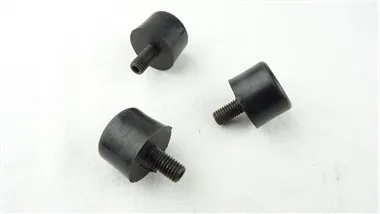
The shock absorbers in an aerial lift also use natural rubber. These parts need to be able to absorb the impact of bumps and vibrations to protect the operator and the equipment. Natural rubber can stretch and compress without losing its shape, which makes it ideal for this purpose.
Synthetic Rubber
Synthetic rubber is used in some aerial lift parts because it can have different properties than natural rubber. For example, neoprene is a type of synthetic rubber that's resistant to oil and chemicals. It's often used for the hoses and the seals in the hydraulic system of an aerial lift. These parts need to be able to withstand the high pressures and the presence of hydraulic fluid without deteriorating.
Electrical Components
The electrical components in an aerial lift are made of a variety of materials, depending on their function.
Copper
Copper is a great conductor of electricity, so it's used for the wiring in an aerial lift. The electrical wires need to be able to carry the electrical current from the power source to the different components of the lift, like the motors and the control systems. Copper has low resistance, which means it can carry the current efficiently without losing too much energy as heat.
Insulating Materials
Insulating materials are used to prevent the electrical current from leaking out of the wires and causing a short circuit. Materials like PVC (polyvinyl chloride) and rubber are commonly used as insulation for the electrical wires. These materials are non-conductive, which means they won't allow the electrical current to pass through them.
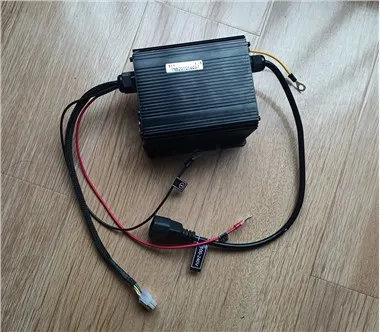
Some of the electrical components in an aerial lift, like the Genie 1256721 1256721GT Control Box, the Genie 13480 13480GT Toggle Switch, and the Genie 19274 19274GT 12V SPDT Relay, are made of a combination of metals, plastics, and electrical materials. The control box houses the electrical circuits and components that control the operation of the lift. It needs to be made of a durable material that can protect the electronics from damage. The toggle switch is used to turn different functions of the lift on and off, and it's usually made of plastic and metal contacts. The relay is an electrical switch that can be controlled by a small electrical signal, and it's made of a coil, contacts, and a housing.
Conclusion
As you can see, aerial lift parts are made of a wide variety of materials, each with its own unique properties and advantages. The choice of material depends on the specific function of the part, as well as the requirements for strength, durability, weight, and cost.
If you're in the market for aerial lift parts, it's important to choose parts that are made of high-quality materials. This will ensure that your lift operates safely and efficiently, and that it lasts for a long time. Whether you need a new steel boom, an aluminum platform, or an electrical component, we've got you covered.
If you have any questions about our aerial lift parts or if you're interested in making a purchase, feel free to reach out to us. We're always happy to help you find the right parts for your needs.
References
- "Materials Science and Engineering: An Introduction" by William D. Callister Jr. and David G. Rethwisch
- Industry standards and specifications for aerial lift manufacturing