Deutsch
 Português
 한국어
한국어 Türkçe
 عربي
عربي  русский
  Việt Nam
 日本語
日本語 Italiano
 Français
 Español
Hey there! I'm a supplier of pallet truck parts, and I know how crucial it is to keep your pallet trucks in top - notch condition. One of the key aspects of maintenance is inspecting the parts for wear and tear. In this blog, I'll share some tips on how to do just that.
Why Inspect Pallet Truck Parts?
Before we jump into the inspection process, let's talk about why it's so important. Worn - out parts can lead to a whole bunch of problems. They can make your pallet truck less efficient, increase the risk of breakdowns, and even pose safety hazards to the operators. By regularly inspecting the parts, you can catch issues early on, save on costly repairs, and ensure the longevity of your pallet trucks.
Tools You'll Need
First things first, gather the necessary tools for the inspection. You don't need anything too fancy. A good set of wrenches, a flashlight, a measuring tape, and a pair of gloves should do the trick. These tools will help you get a closer look at the parts and check for any signs of damage.
Inspecting the Wheels
The wheels are one of the most important parts of a pallet truck. They bear the weight of the load and allow the truck to move smoothly. Start by visually inspecting the wheels for any visible cracks, cuts, or flat spots. Use your flashlight to check the areas that are hard to see. If you notice any damage, it's likely time to replace the wheel.
For the driving wheels, like the EP ZL10 - 210000 - 00 Driving Wheel EP Equipment, pay extra attention. Check the tread depth. You can use a measuring tape to measure it. If the tread is too worn, the wheel may not provide enough traction, which can be dangerous, especially on slippery surfaces. Also, make sure the wheels rotate freely. If there's any resistance, it could be a sign of a problem with the bearings.
Checking the Forks
The forks are what carry the load, so they need to be in great shape. Look for any signs of bending, cracking, or excessive wear. Check the tips of the forks. If they're worn down, they may not be able to pick up the pallets properly. You can use a wrench to check the tightness of the bolts that hold the forks in place. Loose bolts can cause the forks to shift during operation, which is a major safety risk.
Inspecting the Hydraulic System
The hydraulic system is responsible for lifting and lowering the forks. Start by checking the hydraulic fluid level. Most pallet trucks have a sight glass that allows you to easily see the fluid level. If the level is low, it could indicate a leak. Look around the hydraulic cylinders, hoses, and fittings for any signs of fluid leakage. A small leak can quickly turn into a big problem if not addressed.
Check the hydraulic hoses for any signs of damage, such as cracks or bulges. These can weaken the hoses and lead to failures. You can also test the hydraulic system by operating the lift and lower functions. If there's any unusual noise, slow operation, or if the forks don't hold the load properly, there may be an issue with the hydraulic pump or valves.
Electrical Components (if applicable)
For electric pallet trucks, the electrical components are just as important. Start by checking the battery. Make sure it's properly charged and that the connections are clean and tight. Loose connections can cause power issues and even damage the battery.
Inspect the wiring. Look for any frayed or damaged wires. For example, the 1113 - 520005 - 00 Lifting And Horn Wire For EP EPT12 - EZ should be in good condition. A damaged wire can lead to malfunctions in the lifting mechanism or the horn.
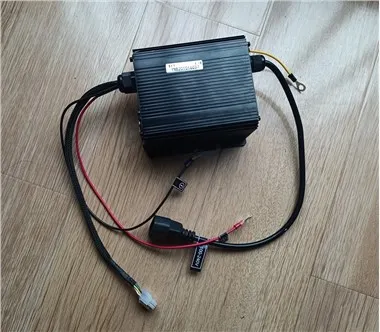
Check the chargers, like the EP 1113 - 512200 - 00 AC - DC Lead Acid Charger Internal For Electric Forklift. Make sure it's working properly. If it's not charging the battery or if it's overheating, it may need to be replaced.


Other Parts to Inspect
Don't forget about the smaller parts. Check the handles for any cracks or loose parts. The brakes should be inspected to ensure they're working effectively. You can test the brakes by applying them and making sure the pallet truck stops smoothly.
Inspect the chain and sprockets (if your pallet truck has them). Look for any signs of wear, such as stretched links or worn teeth. A worn chain can cause the lifting mechanism to malfunction.
Frequency of Inspection
How often should you inspect your pallet truck parts? Well, it depends on how often the pallet truck is used. If it's used frequently in a busy warehouse, it's a good idea to do a visual inspection before each use and a more thorough inspection at least once a month. For less - used pallet trucks, a monthly visual inspection and a quarterly thorough inspection should be sufficient.
What to Do If You Find Wear and Tear
If you find any parts that are worn or damaged, don't ignore them. Replace them as soon as possible. As a pallet truck parts supplier, I can offer you a wide range of high - quality replacement parts. Whether you need a new wheel, a hydraulic hose, or an electrical component, I've got you covered.
Conclusion
Inspecting pallet truck parts for wear and tear is an essential part of pallet truck maintenance. By following these tips, you can keep your pallet trucks running smoothly, reduce the risk of breakdowns, and ensure the safety of your operators. If you have any questions about pallet truck parts or need help with your inspection, feel free to reach out. We're here to assist you with all your pallet truck parts needs and look forward to discussing your procurement requirements.
References
- Industrial Truck Association (ITA) Maintenance Guidelines
- Manufacturer's Manuals for Pallet Trucks