Deutsch
 Português
 한국어
 Türkçe
 عربي
 русский
 Việt Nam
 日本語
 Italiano
 Français
 Español

Hey there, fellow forklift enthusiasts! I'm a supplier of forklift parts, and today, I'm super excited to dive into the nitty - gritty of forklift tires. You know, forklift tires might seem like just a simple part, but they're actually crucial for the smooth operation of these powerful machines.
Types of Forklift Tires
First off, let's talk about the different types of forklift tires out there. There are mainly three types: pneumatic, cushion, and solid tires, each with its own unique features and uses.
Pneumatic Tires
Pneumatic tires are similar to the ones you'd find on a regular car or truck. They're filled with air, which gives them a great shock - absorbing ability. This makes them perfect for outdoor use, especially on rough or uneven surfaces. Whether it's a construction site, a lumber yard, or a large outdoor warehouse, pneumatic tires can handle the bumps and potholes with ease. They provide good traction, which is essential for safe driving, especially when carrying heavy loads. However, one downside is that they're more prone to punctures compared to other types of tires.
Cushion Tires
Cushion tires are made of solid rubber and are mounted directly on the wheel. They're designed for indoor use, typically in warehouses or factories with smooth floors. These tires offer a lower center of gravity, which means better stability for the forklift. They also have a smaller turning radius, making them more maneuverable in tight spaces. Since they're not filled with air, there's no risk of a flat tire, which is a big plus for continuous operation in an industrial setting.


Solid Tires
Solid tires are, as the name suggests, completely solid. They're a great alternative to pneumatic tires for those who want the durability without the risk of punctures. Solid tires are suitable for both indoor and outdoor use, but they're especially popular in environments where there's a high risk of sharp objects on the ground, like recycling plants or scrap yards. They can withstand heavy loads and are very long - lasting, but they do provide a rougher ride compared to pneumatic tires because they don't have the shock - absorbing properties of air - filled tires.
Tire Size and Load Capacity
Now, let's get into the numbers. Forklift tire size is a crucial factor that you can't ignore. The size of the tire is usually indicated by a series of numbers on the sidewall. For example, a common size might be something like 21x8 - 9. The first number (21 in this case) represents the overall diameter of the tire, the second number (8) is the width, and the last number (9) is the rim diameter.
Load capacity is another vital specification. Each tire is rated for a certain maximum load it can carry safely. This is determined by the tire's construction, material, and size. When you're choosing a forklift tire, you need to make sure that its load - carrying capacity matches the maximum load your forklift will be handling. Overloading a tire can lead to premature wear, blowouts, and even accidents. So, always double - check the load capacity rating before making a purchase.
Tread Patterns
Tread patterns play a huge role in the performance of forklift tires. Different tread patterns are designed for different applications.
Smooth Treads
Smooth - tread tires are commonly used for indoor applications. They provide a smooth and quiet ride on smooth floors. Since they have no grooves, they offer a larger contact area with the ground, which means better traction on clean, flat surfaces. This makes them ideal for warehouses where the floors are well - maintained.
Traction Treads
Traction - tread tires have deeper grooves and are designed for outdoor use. These grooves help to channel water, mud, and debris away from the tire's surface, providing better grip on wet or slippery surfaces. They're perfect for forklifts that operate in construction sites, agricultural settings, or any place where the ground conditions are less than ideal.
Tire Material
The material used to make forklift tires also affects their performance and durability. Most forklift tires are made of rubber, but the type of rubber can vary.
Natural Rubber
Natural rubber is known for its excellent elasticity and shock - absorbing properties. Tires made from natural rubber are more comfortable to drive on and can handle a wide range of temperatures. However, natural rubber is more expensive and may not be as resistant to wear and tear as some synthetic rubbers.
Synthetic Rubber
Synthetic rubber is often used in forklift tires because it's more durable and resistant to abrasion, heat, and chemicals. It can withstand harsh working conditions and has a longer lifespan compared to natural rubber. Many modern forklift tires are made from a combination of natural and synthetic rubber to get the best of both worlds.
Choosing the Right Forklift Tires
As a forklift parts supplier, I often get asked how to choose the right tires. Well, it all boils down to your specific needs. Consider where the forklift will be used (indoor or outdoor), the type of surface it will operate on, the maximum load it will carry, and your budget.
If you're working in a tight indoor space with smooth floors, cushion tires might be the best choice. For outdoor work on rough terrain, pneumatic or solid tires are more suitable. And always remember to check the load - capacity rating and tread pattern to ensure optimal performance and safety.
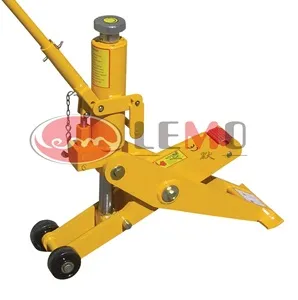
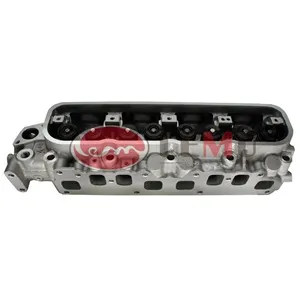
By the way, if you're also looking for other forklift parts, we've got some great options. Check out our Master Cylinder 3EB - 36 - 31281 3EB - 36 - 31280, which is an essential component for the forklift's hydraulic system. Also, our 4.0t ForkLift Jack For Repairing is a must - have for any forklift maintenance job. And if you have a Toyota forklift, our Toyota 4Y Cylinder Head 11101 - 76017 - 71, 11101 - 73020 - 71, 111017601771, 111017302071 is a high - quality replacement part.
Conclusion
Well, that's a wrap on the specifications of forklift tires. I hope this blog has given you a better understanding of what to look for when choosing tires for your forklift. Remember, the right tires can make a huge difference in the performance, safety, and longevity of your forklift.
If you're in the market for forklift tires or any other forklift parts, don't hesitate to reach out. We're here to help you find the perfect products for your needs. Whether you're a small business owner or a large industrial operation, we've got the parts and expertise to keep your forklifts running smoothly.
References
- "Forklift Operator's Manual"
- "Industrial Tire Handbook"