Deutsch
 Português
 한국어
 Türkçe
 عربي
 русский
 Việt Nam
 日本語
 Italiano
 Français
 Español

Forklifts are essential workhorses in a wide range of industries, from warehousing and logistics to manufacturing and construction. These versatile machines rely on a complex system of components to function effectively, and the electrical parts play a crucial role in their operation. As a leading forklift parts supplier, we understand the importance of these components and are committed to providing high - quality electrical parts to keep your forklifts running smoothly. In this blog post, we will explore the various forklift electrical parts, their functions, and why choosing the right parts is so important.
1. Batteries
Batteries are the heart of electrically - powered forklifts. They provide the energy necessary to drive the forklift's motor, operate the hydraulics for lifting and lowering loads, and power other electrical systems. Different forklifts require different types and sizes of batteries, depending on factors such as the forklift's capacity, usage frequency, and duty cycle.
Lead - acid batteries are the most common type used in forklifts. They are relatively inexpensive, have a long service life if properly maintained, and can provide high levels of power. However, lithium - ion batteries are becoming increasingly popular due to their lighter weight, faster charging times, longer lifespan, and lower maintenance requirements.

2. Chargers
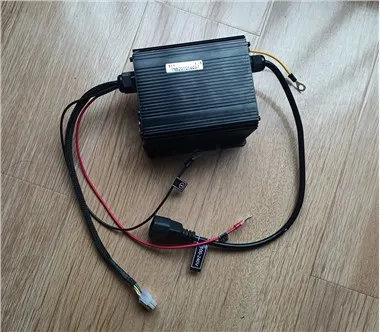
A forklift battery charger is a device designed to replenish the energy in the forklift's battery. There are several types of chargers available, including standard chargers, fast chargers, and opportunity chargers.
Standard chargers are the most common and are typically used overnight or during long breaks in operation. They are relatively slow but are less expensive and cause less stress on the battery. Fast chargers, as the name suggests, can charge a battery much more quickly, but they are more expensive and may require additional cooling systems. Opportunity chargers are designed to charge the battery during short breaks in use, such as during shift changes, allowing for continuous operation without the need for long charging periods. As a forklift parts supplier, we offer a variety of chargers to suit different battery types and customer needs.
3. Motors
Forklift motors are responsible for converting electrical energy into mechanical energy to drive the forklift. There are two main types of motors used in forklifts: drive motors and hydraulic motors.
Drive motors are used to move the forklift forward and backward. They are typically powered by the forklift's battery and are controlled by the operator through a throttle or pedal. These motors need to be powerful enough to move the forklift, along with its load, efficiently. Depending on the size and type of the forklift, the drive motor's power can vary significantly.
Hydraulic motors, on the other hand, are used to power the hydraulic system of the forklift, which is responsible for lifting and lowering the forks and tilting the mast. The hydraulic motor pumps fluid into the hydraulic cylinders, creating pressure that allows these functions to occur.
4. Control Systems
Control systems are an essential part of forklift electrical components. They manage all the functions of the forklift, ensuring smooth and safe operation.
The most basic control system includes the accelerator, brake, and steering controls. These are typically connected to sensors and electronic circuits that translate the operator's actions into electrical signals. For example, when an operator presses the accelerator pedal, a sensor sends a signal to the drive motor to increase its speed.
More advanced control systems may include features such as load - sensing technology, which adjusts the forklift's performance based on the weight of the load being carried, and anti - tip systems, which help prevent the forklift from tipping over during operation. These systems rely on a network of sensors, controllers, and actuators to work effectively.
5. Contactors and Relays
Contactors and relays are electrical switches used in forklifts to control the flow of electricity.
Contactors are typically used to switch high - current circuits, such as those used to power the forklift's motors. They are designed to handle large amounts of electrical current and can withstand the high - voltage spikes that occur when a motor starts and stops. Relays, on the other hand, are used to control lower - current circuits, such as those used for lighting, horn, and other auxiliary functions. They are usually smaller and more sensitive than contactors.
6. Connectors and Wiring Harnesses
Connectors are used to join different electrical components together, while wiring harnesses bundle the wires together in an organized way, protecting them from damage and making installation and maintenance easier.
A well - designed connector ensures a reliable electrical connection, preventing power interruptions and reducing the risk of electrical faults. Forklifts often operate in harsh environments filled with dust, moisture, and vibrations, so connectors need to be durable and able to withstand these conditions.
Wiring harnesses are designed to route the electrical wires throughout the forklift in a way that minimizes interference and maximizes safety. They are usually color - coded and labeled for easy identification during installation and troubleshooting.
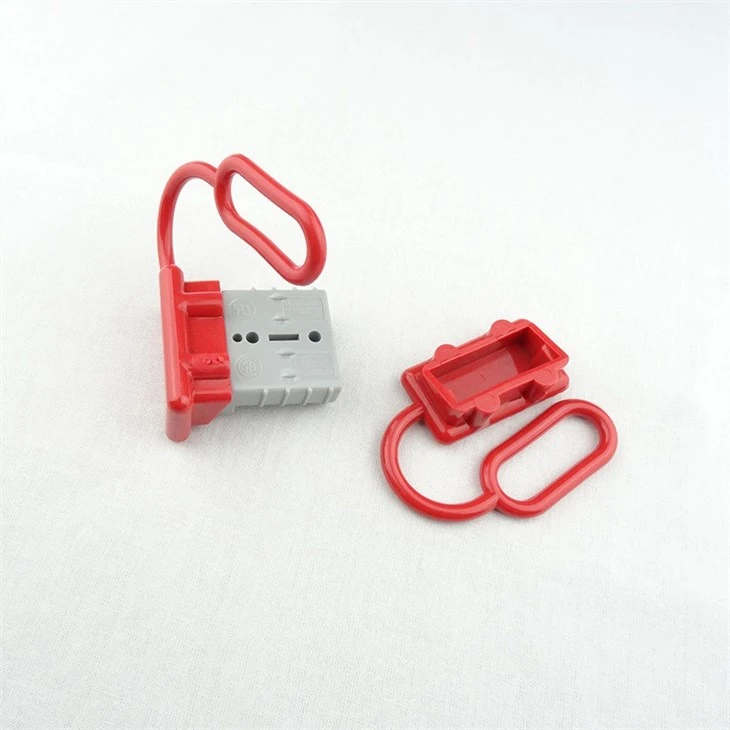
At our company, we offer a wide range of connectors and wiring harnesses, such as the Red Dust Cap for Anderson SB50A Connector, which can protect the connector from dust and other contaminants, ensuring a longer service life.
7. Sensors
Sensors play a vital role in modern forklift electrical systems. They are used to monitor various parameters of the forklift's operation and send signals to the control system.
For example, weight sensors can measure the weight of the load being carried, allowing the control system to adjust the forklift's performance accordingly. Proximity sensors can detect the presence of objects in the forklift's path, helping to prevent collisions. Temperature sensors can monitor the battery's temperature, ensuring that it does not overheat during charging or operation.
8. IGBT Power Modules
IGBT (Insulated Gate Bipolar Transistor) power modules are used in the power electronics of forklifts. They are responsible for controlling the flow of electrical power to the motors, allowing for efficient and precise control of the forklift's movement.
For instance, the IR 92 - 0156 IR92 - 0156 DP450A250S GA600HD25S 328A1516CHP1 IGBT POWER MODULE is a high - performance IGBT power module that can withstand high voltages and currents, making it suitable for heavy - duty forklift applications. These modules need to be reliable and efficient to ensure the smooth operation of the forklift.
9. ForkLift Jacks
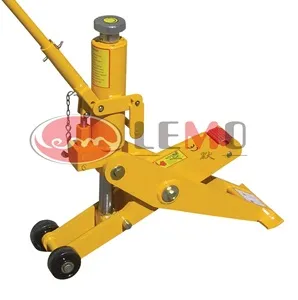
A forklift jack is a useful tool not only for positioning and mounting components but also plays an important role in the overall electrical and mechanical system of forklift maintenance. It helps in tasks such as battery replacement and repair work. Our 4.0t ForkLift Jack For Repairing is designed to provide the necessary lifting capacity and stability for forklift maintenance tasks.
Choosing the right forklift electrical parts is crucial for the performance, safety, and longevity of your forklift. Sub - standard parts may lead to frequent breakdowns, increased maintenance costs, and even safety hazards. As a reliable forklift parts supplier, we are committed to providing high - quality electrical components that meet or exceed industry standards.
If you are in need of forklift electrical parts, don't hesitate to get in touch with us. We have a team of experts who can advise you on the right parts for your specific needs. Whether it's a replacement battery, a new charger, or an IGBT power module, we can help you find the best solution for your forklift. We look forward to discussing your requirements and assisting you in keeping your forklifts running at their best.
References
- Murray, R. C. (2018). Forklift Maintenance Handbook. Industrial Press.
- Richardson, P. (2020). Electric Forklift Technology: Principles and Practices. Wiley.