Deutsch
 Português
 한국어
 Türkçe
 عربي
 русский
 Việt Nam
 日本語
 Italiano
 Français
 Español

Hey there! As a supplier of Aerial Lift Parts, I've seen firsthand the importance of understanding the electrical components that make these machines tick. Aerial lifts are essential pieces of equipment in various industries, from construction to maintenance, and their electrical systems play a crucial role in ensuring safe and efficient operation. In this blog post, I'll break down some of the key electrical components you'll find in aerial lift parts.
1. Batteries
Let's start with the power source – the batteries. Aerial lifts typically use deep - cycle batteries, which are designed to provide a steady amount of power over a long period. These batteries are different from the starting batteries you'd find in a car. Deep - cycle batteries can withstand repeated discharging and recharging without losing their capacity quickly.


The size and capacity of the batteries depend on the specific model of the aerial lift. For larger lifts that require more power to operate the hydraulic systems and other electrical components, you'll often see larger battery banks. Regular maintenance of the batteries is crucial. This includes checking the water levels (if they're not sealed), cleaning the terminals to prevent corrosion, and ensuring proper charging. If the batteries aren't in good condition, the aerial lift may not function properly, or it could have a shorter operating time between charges.
2. Switches
Switches are like the traffic controllers of the electrical system in an aerial lift. They allow operators to turn on and off different functions of the machine. There are several types of switches used in aerial lifts.
Toggle Switches
Toggle switches are one of the most common types. They're easy to operate with a simple up - or - down motion. For example, you can use a toggle switch to turn on the power to the control panel or to activate a specific hydraulic function. We offer some great aftermarket toggle switches, like the Genie 128580 128580GT Aftermarket Toggle Switch and the Genie 13480 13480GT Toggle Switch. These switches are designed to be reliable and durable, replacing the original ones when they wear out.
Limit Switches
Limit switches are also important. They're used to prevent the aerial lift from moving beyond its safe operating limits. For instance, there are limit switches on the boom that stop the upward or downward movement when it reaches a certain point. This helps to avoid over - extension of the boom, which could lead to structural damage or a dangerous situation.
3. Relays
Relays are like electrical amplifiers or switches that can handle higher currents. They're used to control large electrical loads using a small control signal. In an aerial lift, relays are often used to control the motors and solenoids.
For example, the Genie 19274 19274GT 12V SPDT Relay is a single - pole double - throw relay. It can switch between two different electrical circuits based on the input signal. Relays are important because they protect the control switches from being damaged by the high currents that the motors and solenoids draw. If a relay fails, the corresponding function of the aerial lift may not work, or it could cause other electrical problems in the system.
4. Solenoids
Solenoids are electromechanical devices that convert electrical energy into mechanical motion. In an aerial lift, solenoids are often used to control the flow of hydraulic fluid. They work by using an electromagnetic field to move a plunger, which then opens or closes a valve.
For example, when you want to raise or lower the boom of the aerial lift, the control system sends an electrical signal to a solenoid. The solenoid then moves the valve, allowing hydraulic fluid to flow in the right direction to operate the hydraulic cylinders. Solenoids need to be in good working condition for the hydraulic system to function properly. If a solenoid is stuck or not working correctly, the boom may not move smoothly or may not move at all.
5. Fuses and Circuit Breakers
Fuses and circuit breakers are the safety valves of the electrical system. They protect the electrical components from damage caused by over - current.
A fuse is a simple device that contains a thin wire. When the current flowing through the fuse exceeds a certain limit, the wire melts, breaking the circuit and preventing further damage to the components. Circuit breakers, on the other hand, can be reset after they trip. They use a mechanical or magnetic mechanism to open the circuit when there's an over - current situation.
Regularly checking the fuses and circuit breakers is important. If a fuse blows or a circuit breaker trips, it's a sign that there's a problem in the electrical system. It could be due to a short circuit, a faulty component, or an overload. You need to find and fix the root cause before replacing the fuse or resetting the circuit breaker.
6. Control Panels
The control panel is the brain of the aerial lift. It's where the operator can monitor and control different functions of the machine. The control panel usually contains a variety of switches, gauges, and indicators.
The switches on the control panel allow the operator to start and stop the machine, control the movement of the boom, and adjust other settings. The gauges show important information like battery voltage, hydraulic pressure, and the position of the boom. Indicators can alert the operator to potential problems, such as low battery charge or a malfunction in the hydraulic system.
The control panel needs to be well - designed and easy to use. It also needs to be protected from the elements, especially in outdoor working environments. Dust, moisture, and vibrations can all affect the performance of the control panel.
7. Wiring Harnesses
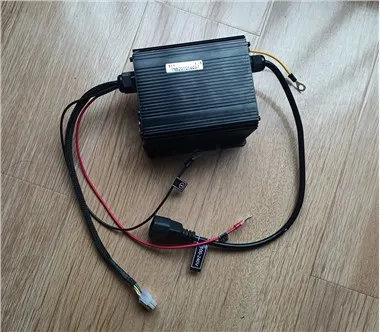
Wiring harnesses are like the nervous system of the aerial lift. They connect all the electrical components together, allowing the flow of electricity from the power source to the various switches, relays, solenoids, and other devices.
A good wiring harness is made of high - quality wires that are insulated to prevent short circuits. It's also designed to be organized and protected from damage. In an aerial lift, the wiring harness needs to be flexible enough to withstand the movement of the machine, especially the boom. If the wiring harness is damaged, it can cause a variety of electrical problems, from intermittent failures to complete system shutdown.
Why Quality Electrical Components Matter
Using high - quality electrical components in aerial lift parts is crucial for several reasons. First of all, it ensures the safety of the operators. Faulty electrical components can lead to unexpected movements of the machine, which can be extremely dangerous.
Secondly, quality components are more reliable. They're less likely to break down, which means less downtime for the aerial lift. In industries where time is money, having a reliable aerial lift is essential. You don't want to be stuck waiting for a replacement part because a cheap, low - quality component failed.
Finally, high - quality components can also extend the lifespan of the aerial lift. By reducing the stress on the electrical system, the machine can operate more efficiently and last longer.
Conclusion
Understanding the electrical components in aerial lift parts is essential for anyone involved in the operation, maintenance, or repair of these machines. From the power - providing batteries to the control - managing switches and relays, each component plays a vital role in the proper functioning of the aerial lift.
As a supplier of Aerial Lift Parts, we're committed to providing high - quality electrical components. If you're in the market for aerial lift parts, whether it's a replacement switch, relay, or any other electrical component, we can help. We have a wide range of products to meet your needs. Don't hesitate to reach out if you have any questions or if you're interested in purchasing parts. We're here to ensure that your aerial lift operates safely and efficiently.
References
- Electrical Engineering Handbook for Industrial Equipment
- Aerial Lift Maintenance Manuals
- Manufacturer's Specifications for Aerial Lift Electrical Components