Deutsch
 Português
 한국어
 Türkçe
 عربي
 русский
 Việt Nam
 日本語
 Italiano
 Français
 Español

Temperature is a critical environmental factor that significantly influences the performance, durability, and lifespan of forklift parts. As a seasoned forklift parts supplier, I've witnessed firsthand how temperature variations can lead to a range of issues in forklift operations. In this blog, we'll explore the effects of temperature on different forklift parts and discuss how to mitigate potential problems.
Effects of High Temperatures
Engine Components
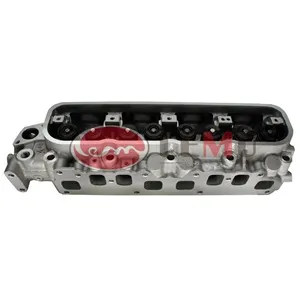
High temperatures can take a toll on the engine, which is the heart of a forklift. The engine oil, for instance, becomes thinner at elevated temperatures. This reduced viscosity can lead to insufficient lubrication between moving parts, such as pistons, bearings, and camshafts. As a result, these components experience increased friction and wear, which can ultimately lead to engine failure. For example, the Cylinder Head 11040 - 50K00 11040 - 50K01 11040 - 50K02 1104050K00 1104050K01 1104050K02 is exposed to extreme heat during engine operation. Prolonged high - temperature conditions can cause the cylinder head to warp, leading to poor compression, coolant leaks, and reduced engine efficiency.
The cooling system also faces challenges in high - temperature environments. Radiators can become overwhelmed, struggling to dissipate heat effectively. If the coolant temperature rises too high, it can cause the engine to overheat. This not only affects the immediate performance of the forklift but can also cause long - term damage to engine components.
Electrical Systems
High temperatures can be detrimental to electrical components in forklifts. Wires and cables can become brittle and their insulation may degrade over time. This increases the risk of short circuits, which can lead to malfunctions in various systems, such as the ignition system, lights, and control panels. Electronic control units (ECUs) are also sensitive to heat. Excessive heat can cause the internal components of the ECU to malfunction, leading to inaccurate sensor readings and improper control of the forklift's functions.
Hydraulic Systems
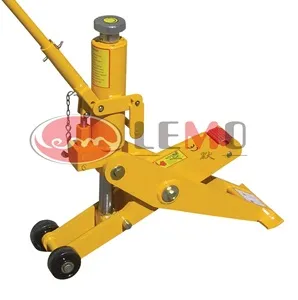
Hydraulic fluids are essential for the proper operation of forklift lifting and steering mechanisms. At high temperatures, hydraulic fluids can break down more rapidly. This breakdown can lead to a decrease in fluid viscosity, which in turn reduces the efficiency of the hydraulic system. The seals in the hydraulic system are also at risk. High temperatures can cause rubber seals to expand, harden, and eventually crack. This can result in hydraulic fluid leaks, loss of pressure, and reduced lifting capacity. For example, the 4.0t ForkLift Jack For Repairing relies on a well - functioning hydraulic system. Any issues with the hydraulic fluid or seals can significantly affect its performance.
Effects of Low Temperatures
Battery Performance
Batteries are a crucial power source for electric forklifts. Low temperatures can have a significant impact on battery performance. The chemical reactions that occur within the battery slow down in cold conditions. This leads to a decrease in battery capacity and a reduction in the forklift's operating range. For example, a battery that can provide several hours of operation at normal temperatures may only last for a fraction of that time in cold weather. Additionally, repeated exposure to low temperatures can shorten the overall lifespan of the battery.
Lubricants
Lubricants thicken in cold temperatures. In the engine, thickened oil can make it difficult for the engine to start, as the oil cannot flow freely to lubricate the engine components. This can put additional stress on the starter motor and other starting components. In the transmission and other mechanical systems, thickened lubricants can also cause increased friction and wear, as the moving parts have to work harder to overcome the resistance of the thickened lubricant.
Rubber and Plastic Parts
Rubber and plastic parts, such as tires, seals, and Dust Cover Black Hard for SB175 Connector, become more brittle in cold temperatures. Tires may lose their flexibility, which can affect the forklift's traction and handling. Seals can crack, leading to leaks in various systems, such as the hydraulic system or the engine's cooling system. Plastic components may also become more prone to breakage, especially if they are subjected to mechanical stress.
Mitigating the Effects of Temperature
High - Temperature Mitigation
- Proper Cooling System Maintenance: Regularly check and clean the radiator, coolant levels, and cooling fans. Ensure that the cooling system is functioning at its optimal capacity to prevent engine overheating.
- Use of High - Temperature - Resistant Fluids: Select engine oil, hydraulic fluid, and other lubricants that are designed to withstand high temperatures. These fluids have better thermal stability and can provide adequate lubrication even in extreme heat.
- Electrical System Protection: Use heat - resistant insulation for wires and cables. Provide proper ventilation for electronic components to keep them cool.
Low - Temperature Mitigation
- Battery Warming: Use battery warmers or store the forklift in a heated area when not in use. This can help maintain the battery's temperature and improve its performance.
- Low - Temperature Lubricants: Switch to lubricants that are formulated for low - temperature operation. These lubricants have a lower viscosity at cold temperatures, ensuring proper lubrication and smooth operation of mechanical systems.
- Insulation and Protection of Rubber and Plastic Parts: Consider using insulation covers for rubber and plastic parts to protect them from the cold. This can help prevent brittleness and cracking.
Conclusion
Temperature has a profound impact on forklift parts, affecting their performance, durability, and lifespan. As a forklift parts supplier, I understand the importance of providing high - quality parts that can withstand a wide range of temperature conditions. Whether it's high - temperature - resistant engine components or low - temperature - suitable lubricants, we strive to offer products that meet the needs of our customers.
If you're experiencing issues with your forklift parts due to temperature variations or are looking for reliable replacement parts, we're here to help. Contact us to discuss your specific requirements and let us assist you in finding the right solutions for your forklift.


References
- "Forklift Maintenance Handbook", Industry Press, 2020
- "Temperature Effects on Industrial Equipment", Journal of Industrial Engineering, Vol. 15, 2019
- "Battery Technology and Temperature", Power Systems Research, 2021