Deutsch
 Português
 한국어
 Türkçe
 عربي
 русский
 Việt Nam
 日本語
 Italiano
 Français
 Español

Forklifts are indispensable workhorses in warehouses, construction sites, and various industrial settings. One crucial safety feature of a forklift is its horn, which alerts others to the forklift's presence and helps prevent accidents. However, like any mechanical component, forklift horn parts can encounter issues over time. As a reputable forklift parts supplier, I've dealt with a wide range of horn - related problems. In this blog, I'll share some insights on how to troubleshoot forklift horn parts.
Initial Checks
Before delving into the more complex aspects of troubleshooting, it's essential to start with some basic checks. First, ensure that the forklift's battery is fully charged. A weak battery can cause the horn to malfunction as it may not provide enough power to produce a proper sound. Check the battery terminals for any signs of corrosion or loose connections. If corrosion is present, clean the terminals with a wire brush and a mixture of baking soda and water. Then, tighten any loose connections securely.
Next, examine the horn switch. The switch is the component that sends an electrical signal to the horn when pressed. Check for any visible damage to the switch, such as cracks or broken parts. Sometimes, the switch may simply be stuck in the "on" or "off" position. Try to operate the switch several times to see if it functions properly. If the switch feels loose or unresponsive, it may need to be replaced.
Inspecting the Wiring
The wiring that connects the horn switch to the horn itself is another critical area to check. Look for any frayed, cut, or damaged wires. Damaged wiring can disrupt the electrical current flow, preventing the horn from working. Use a multimeter to test the continuity of the wires. Set the multimeter to the resistance or continuity mode and touch the probes to the ends of the wire. If the multimeter shows infinite resistance, it indicates a break in the wire, and the wire will need to be repaired or replaced.
In some cases, the wiring may be pinched or crushed, especially in areas where the wires pass through tight spaces or around moving parts. Inspect these areas carefully and free any pinched wires. You may also want to check the wire connectors for any signs of corrosion or loose connections. Clean the connectors if necessary and ensure they are firmly attached.
Testing the Horn Itself
If the battery, switch, and wiring all seem to be in good condition, the problem may lie with the horn itself. To test the horn, you can use a jumper wire. First, disconnect the horn from the wiring harness. Then, connect one end of the jumper wire to the positive terminal of the battery and the other end to the positive terminal of the horn. If the horn sounds, it means the horn is functioning correctly, and the issue may be elsewhere in the system. If the horn does not sound, it is likely defective and needs to be replaced.
When replacing the horn, make sure to choose a compatible replacement part. Different forklift models may require different types of horns, so refer to the forklift's manual or consult with a professional to ensure you get the right part. As a forklift parts supplier, we offer a wide range of high - quality horns suitable for various forklift models. For example, we have the Dust Cover Black Hard for Anderson SB50 with Metal Rope, which can protect the horn and other components from dust and debris, extending their lifespan.
Checking the Relay
Many forklift horn systems use a relay to control the electrical current to the horn. The relay acts as a switch that amplifies the small electrical signal from the horn switch to a larger current that can power the horn. A faulty relay can cause the horn to malfunction. To check the relay, locate it in the forklift's electrical system. It is usually a small, rectangular component with several pins.
Use a multimeter to test the relay. First, remove the relay from its socket. Set the multimeter to the resistance mode and measure the resistance between the appropriate pins on the relay. Compare the measured resistance with the specifications in the forklift's manual. If the resistance is significantly different from the specified value, the relay is likely defective and should be replaced.
Considering Environmental Factors
Environmental factors can also affect the performance of the forklift horn. For example, excessive moisture or dust can damage the horn and its components. If the forklift operates in a dusty environment, consider using a dust - proof cover, such as the Red Dust Cap for Anderson SB50A Connector, to protect the horn and its connectors.
In wet conditions, water can seep into the horn and cause corrosion or short - circuits. Check for any signs of water damage, such as rust or moisture inside the horn. If water is present, dry the horn thoroughly and check for any damage to the internal components. In some cases, a water - damaged horn may need to be replaced.
Other Components That Can Affect the Horn
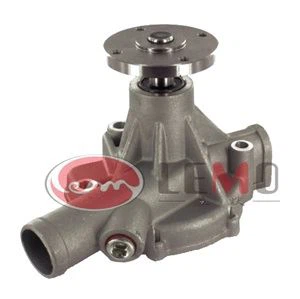
There are other components in the forklift's electrical system that can indirectly affect the horn's performance. For example, the water pump, such as the Water Pump Gwn - 30A 21010 - L1100 21010 - L1125 21010 - L1123 21010 - L1126 21010 - 21100 21010 - B8525, is an important part of the forklift's cooling system. If the water pump fails, it can cause the engine to overheat, which may in turn affect the electrical system and the horn. Make sure to regularly maintain and check all the components in the forklift's electrical and mechanical systems to prevent any potential issues.
Conclusion
Troubleshooting forklift horn parts requires a systematic approach. By starting with the basic checks, inspecting the wiring, testing the horn and relay, and considering environmental factors, you can identify and resolve most horn - related problems. As a forklift parts supplier, we understand the importance of having reliable and high - quality parts. We offer a comprehensive range of forklift parts, including horns, switches, wiring, and relays, to ensure that your forklift operates safely and efficiently.

If you're experiencing persistent problems with your forklift horn or need help in choosing the right replacement parts, don't hesitate to contact us. We have a team of experts who can provide you with professional advice and assistance. Whether you're a small business owner or a large industrial operator, we're here to meet your forklift parts needs. Reach out to us for more information and to start a procurement discussion.
References
- Forklift Operator's Manuals
- Electrical System Repair Guides for Forklifts
- Industrial Equipment Maintenance Handbooks