Deutsch
 Português
 한국어
 Türkçe
 عربي
 русский
 Việt Nam
 日本語
 Italiano
 Français
 Español

As a reliable forklift parts supplier, I understand the critical importance of ensuring the functionality of every component we offer. Forklifts are the workhorses of many industries, from warehouses to construction sites, and their smooth operation depends heavily on the quality and performance of their parts. In this blog post, I will share some essential methods and tips on how to test the functionality of forklift parts to guarantee they meet the highest standards.
1. Visual Inspection
The first step in testing forklift parts is a thorough visual inspection. This simple yet effective method can reveal a lot about the condition of a part. When examining a part, look for signs of damage, wear, corrosion, or any other visible defects. For example, if you're inspecting a Forklift Radiator 91E01-00010 91E01-10010, check for leaks, bent fins, or clogged passages. A radiator with damaged fins may not dissipate heat effectively, leading to overheating issues in the forklift's engine.
Similarly, when inspecting electrical components, such as the Black Dust Cap for Anderson SB50A Connector, look for cracks, loose connections, or signs of melting. A damaged dust cap can allow dirt and moisture to enter the connector, causing electrical problems and potentially leading to system failures.
2. Dimensional Checks
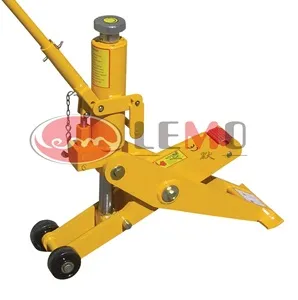
Accurate dimensions are crucial for the proper fit and function of forklift parts. Use precision measuring tools, such as calipers, micrometers, and rulers, to verify that the part meets the specified dimensions. For example, if you're testing a forklift jack, like the 4.0t ForkLift Jack For Repairing, measure the height, width, and length of the jack to ensure it can fit into the designated space on the forklift and lift the required weight safely.
Deviations from the specified dimensions can lead to installation problems, reduced performance, and even safety hazards. Therefore, it's essential to compare the measured dimensions with the manufacturer's specifications and reject any parts that do not meet the requirements.
3. Functional Testing
Functional testing is the most comprehensive way to evaluate the performance of forklift parts. This involves operating the part under simulated or actual working conditions to ensure it functions as intended. For mechanical parts, such as forks, mast components, and hydraulic cylinders, test their movement, lifting capacity, and stability. For example, when testing a forklift fork, load it with a known weight and check for any signs of bending, cracking, or excessive deflection.


Electrical and electronic parts require specialized testing equipment to measure their electrical properties, such as voltage, current, resistance, and insulation resistance. For example, use a multimeter to test the continuity of wires and connectors, and an insulation tester to check the insulation resistance of electrical components. Functional testing can help identify hidden defects and ensure that the parts will perform reliably in real-world applications.
4. Performance Testing
In addition to functional testing, performance testing can provide valuable insights into the long-term performance and durability of forklift parts. This involves subjecting the part to accelerated aging or stress tests to simulate the effects of extended use. For example, you can perform a fatigue test on a forklift mast by repeatedly lifting and lowering a heavy load to evaluate its resistance to fatigue and wear.
Performance testing can also help you compare the performance of different parts or brands and select the best option for your specific application. By understanding the performance characteristics of the parts, you can make informed decisions and ensure that your forklifts operate at peak efficiency.
5. Compatibility Testing
Forklift parts need to be compatible with the specific make and model of the forklift. Before installing a new part, it's essential to verify its compatibility with the existing components. This can be done by referring to the forklift's service manual or consulting with the manufacturer. Compatibility issues can lead to poor performance, premature wear, and even damage to other parts of the forklift.
For example, if you're replacing a hydraulic pump, make sure it has the same flow rate, pressure rating, and mounting dimensions as the original pump. Using an incompatible pump can cause the hydraulic system to malfunction, resulting in reduced lifting capacity and increased energy consumption.
6. Quality Control Checks
As a forklift parts supplier, we have a strict quality control system in place to ensure that every part we offer meets the highest standards. Our quality control checks include incoming inspection, in-process inspection, and final inspection. During the incoming inspection, we carefully examine the parts received from our suppliers to ensure they are free from defects and meet the specified requirements.
In-process inspection is carried out during the manufacturing or assembly process to monitor the quality of the parts and identify any potential issues early on. Finally, a final inspection is performed before the parts are shipped to our customers to ensure they are in perfect condition and ready for use.
7. Documentation and Traceability
Proper documentation and traceability are essential for ensuring the quality and safety of forklift parts. We maintain detailed records of every part we supply, including its specifications, manufacturing date, batch number, and test results. This allows us to track the history of the part and provide accurate information to our customers in case of any issues.
Documentation also helps us comply with industry standards and regulations and provides evidence of our commitment to quality and safety. By keeping accurate records, we can quickly identify and address any quality issues and ensure that our customers receive the best possible products and service.
Conclusion
Testing the functionality of forklift parts is a critical process that ensures the safety, reliability, and performance of forklifts. By following the methods and tips outlined in this blog post, you can effectively test the parts and make informed decisions when selecting and purchasing forklift components. As a trusted forklift parts supplier, we are committed to providing high-quality parts that meet the highest standards of performance and reliability. If you have any questions or need assistance with testing or selecting forklift parts, please feel free to contact us for a procurement discussion. We look forward to working with you to keep your forklifts running smoothly.
References
- Forklift Manufacturer's Service Manuals
- Industry Standards and Regulations for Forklift Parts
- Technical Literature on Forklift Component Testing and Quality Control