Deutsch
 Português
 한국어
 Türkçe
 عربي
 русский
 Việt Nam
 日本語
 Italiano
 Français
 Español

How to Replace Forklift Hydraulic Fluid
As a reliable forklift parts supplier, I understand the importance of maintaining your forklift in top - notch condition. One crucial aspect of forklift maintenance is the replacement of hydraulic fluid. Hydraulic fluid plays a vital role in the forklift's operation, as it transfers power within the hydraulic system, lubricates components, and helps dissipate heat. In this blog post, I'll guide you through the process of replacing forklift hydraulic fluid.
Why Replace Forklift Hydraulic Fluid?
Over time, hydraulic fluid can become contaminated with dirt, debris, and moisture. These contaminants can cause wear and tear on the hydraulic system components, such as pumps, valves, and cylinders. Contaminated fluid can also lead to reduced efficiency, increased operating temperatures, and potential system failures. Regularly replacing the hydraulic fluid helps to ensure smooth operation, extend the lifespan of the hydraulic system, and prevent costly repairs.
Tools and Materials Needed
Before you start the fluid replacement process, gather the following tools and materials:


- Hydraulic fluid: Make sure to use the type of hydraulic fluid recommended by the forklift manufacturer. Different forklifts may require different viscosities and specifications of fluid. You can find a wide range of high - quality hydraulic fluids suitable for various forklift models in our inventory.
- Drain pan: A large, sturdy drain pan is needed to collect the old hydraulic fluid.
- Wrenches and sockets: You'll need these to remove the drain plug and other components as required.
- Funnel: To pour the new hydraulic fluid into the reservoir without spillage.
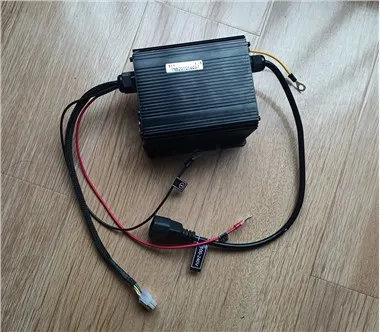
- Filter: It's a good practice to replace the hydraulic filter when changing the fluid. You can find reliable filters at our store, such as the 2MBI100N - 060, 181E2 - 62561, RD09 - 003A EPS Control IGBT Module, which are designed to effectively trap contaminants.
- Clean rags: To wipe up any spills and keep the work area clean.
Step - by - Step Guide to Replace Forklift Hydraulic Fluid
Step 1: Prepare the Forklift
Park the forklift on a level surface and engage the parking brake. Turn off the engine and allow it to cool down. This is important to prevent burns from hot components and to ensure accurate fluid level readings.
Step 2: Locate the Hydraulic Reservoir and Drain Plug
The hydraulic reservoir is usually located near the forklift's mast or engine compartment. It is a large tank with a filler cap on top. The drain plug is typically located at the bottom of the reservoir. Refer to the forklift's operator's manual if you're having trouble finding these components.
Step 3: Drain the Old Hydraulic Fluid
Place the drain pan under the drain plug. Use the appropriate wrench or socket to loosen and remove the drain plug. Allow the old hydraulic fluid to drain completely into the pan. This may take some time, especially if the system has a large capacity. While the fluid is draining, you can inspect the drained fluid for signs of contamination, such as dirt, metal particles, or a milky appearance, which may indicate the presence of water.
Step 4: Replace the Hydraulic Filter
Locate the hydraulic filter, which is usually connected to the hydraulic line. Use a filter wrench to remove the old filter. Before installing the new filter, lubricate the rubber gasket on the filter with a small amount of new hydraulic fluid. This helps to create a proper seal. Screw the new filter onto the filter housing by hand, and then tighten it an additional 3/4 to 1 turn using the filter wrench.
Step 5: Clean the Reservoir
Once the old fluid has drained, use a clean rag to wipe the inside of the hydraulic reservoir. Remove any dirt or debris that may have settled at the bottom. This helps to prevent contaminants from re - entering the system when new fluid is added.
Step 6: Install the Drain Plug
After the reservoir is clean, reinstall the drain plug and tighten it securely. Make sure not to overtighten, as this could damage the threads.
Step 7: Add New Hydraulic Fluid
Use a funnel to pour the new hydraulic fluid into the reservoir. Refer to the forklift's operator's manual for the correct fluid capacity. Fill the reservoir to the appropriate level, which is usually indicated by a sight glass or a dipstick. Be careful not to overfill, as this can cause problems with the hydraulic system.
Step 8: Bleed the Hydraulic System
To remove any air from the hydraulic system, operate the forklift's hydraulic functions, such as raising and lowering the forks and tilting the mast, several times. This helps to circulate the new fluid and purge any air bubbles. Check the fluid level again after bleeding the system and add more fluid if necessary.
Step 9: Check for Leaks
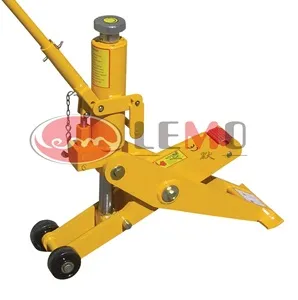
Inspect the hydraulic lines, connections, and the reservoir for any signs of leaks. If you notice any leaks, tighten the connections or replace any damaged components. You can find replacement parts like the 4.0t ForkLift Jack For Repairing and Dust Cover Red Soft for SB175 Connector at our store to fix any issues.
Maintenance Tips
- Regular inspections: Check the hydraulic fluid level regularly and look for signs of contamination or leaks.
- Follow the manufacturer's recommendations: Adhere to the recommended fluid change intervals and use the correct type of fluid.
- Proper storage: Store hydraulic fluid in a clean, dry place away from direct sunlight and extreme temperatures.
Conclusion
Replacing forklift hydraulic fluid is a relatively straightforward process that can have a significant impact on the performance and longevity of your forklift. By following these steps and using high - quality parts and fluids, you can ensure that your forklift's hydraulic system operates smoothly and efficiently.
As a leading forklift parts supplier, we are committed to providing you with the best products and services. If you have any questions about forklift hydraulic fluid replacement or need to purchase forklift parts, please feel free to contact us for procurement and negotiation. We look forward to helping you keep your forklift in excellent condition.
References
- Forklift operator's manuals from various manufacturers
- Industry standards and best practices for forklift maintenance