Deutsch
 Português
 한국어
 Türkçe
 عربي
 русский
 Việt Nam
 日本語
 Italiano
 Français
 Español

Hey there! As a supplier of Pallet Truck Parts, I've seen my fair share of pallet trucks that just won't lift. It can be a real headache, especially when you're in the middle of a busy workday. But don't worry, I'm here to help you diagnose the problem and get your pallet truck back up and running in no time.
1. Check the Basics
First things first, let's start with the basics. Before you start digging into the more complex issues, it's important to make sure that the pallet truck is actually turned on and that the battery is charged. Sounds simple, right? But you'd be surprised how many times this is the root cause of the problem.
If you're using an electric pallet truck, check the battery indicator. If it's low, charge the battery according to the manufacturer's instructions. It might take a few hours, but it's worth the wait to avoid more serious problems down the line.
Also, make sure that the pallet truck is on a flat and stable surface. If it's on an uneven surface, it might not be able to lift properly. And check if there are any obstructions around the forks or the lifting mechanism. Sometimes, a small piece of debris can prevent the pallet truck from working correctly.
2. Inspect the Hydraulic System
If the basics check out, the next step is to inspect the hydraulic system. The hydraulic system is what allows the pallet truck to lift heavy loads. If there's a problem with this system, it won't be able to lift.
Start by checking the hydraulic fluid level. Most pallet trucks have a sight glass or a dipstick that you can use to check the fluid level. If the fluid is low, add the recommended hydraulic fluid. Make sure to use the right type of fluid, as using the wrong one can damage the system.
Look for any signs of leaks in the hydraulic hoses and connections. A leak can cause a loss of pressure, which will prevent the pallet truck from lifting. If you see any leaks, you'll need to replace the damaged parts. For example, if you need a front cover assembly, you can check out our 1121AA-310001-00-B Front Cover Assembly Without Power Module EPT18-EHJ.
3. Examine the Pump and Valves
The pump and valves are crucial components of the hydraulic system. The pump is responsible for creating the pressure needed to lift the load, and the valves control the flow of the hydraulic fluid.
Check the pump for any signs of damage or wear. If the pump is not working properly, it won't be able to generate enough pressure to lift the load. You might need to replace the pump if it's damaged.
Inspect the valves to make sure they are opening and closing correctly. A stuck valve can prevent the hydraulic fluid from flowing properly, which will affect the lifting performance. Sometimes, you can clean the valves to get them working again, but in other cases, you might need to replace them.


4. Look at the Electric Components
If you have an electric pallet truck, the electric components can also be a source of problems. The motor, controller, and battery charger are all important parts of the system.
Check the motor for any signs of overheating or strange noises. If the motor is not working correctly, it won't be able to power the hydraulic pump. You might need to have the motor repaired or replaced by a professional.
The controller is responsible for regulating the power and speed of the pallet truck. If the controller is malfunctioning, it can cause issues with the lifting operation. Look for any error codes on the control panel and refer to the manufacturer's manual for troubleshooting.
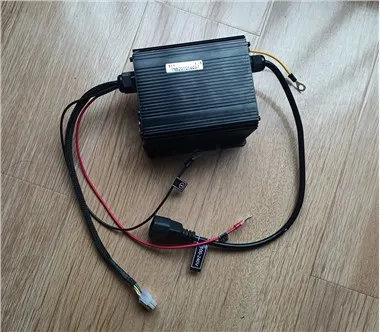
For the battery charger, make sure it's working properly. If the battery is not charging correctly, it won't have enough power to operate the pallet truck. You can check out our EP Equipment 1122-520004-00 Electric Pallet Truck Internal Battery Charger if you need a replacement.
5. Check the Wheels and Tires
The wheels and tires of the pallet truck can also affect its lifting performance. If the wheels are worn out or damaged, it can cause the pallet truck to be unstable, which will make it difficult to lift.
Inspect the wheels for any signs of wear, such as flat spots or uneven tread. If the wheels are worn, replace them with new ones. You can find a suitable replacement like our Noblelift D230 Single Wheel Shaft For DF25 Hand Pallet Truck.
Also, make sure that the tires are properly inflated. Under - inflated tires can make the pallet truck harder to maneuver and can affect its lifting capacity.
6. Consider the Load
Sometimes, the problem might not be with the pallet truck itself, but with the load. Make sure that the load is within the rated capacity of the pallet truck. Overloading the pallet truck can cause it to malfunction and can even damage the equipment.
Check the distribution of the load on the forks. The load should be evenly distributed to ensure proper lifting. If the load is too far forward or backward, it can cause the pallet truck to tip or have difficulty lifting.
Conclusion
Diagnosing a pallet truck that won't lift can be a bit of a challenge, but by following these steps, you should be able to find and fix the problem. Remember, if you're not comfortable doing the repairs yourself, it's always a good idea to consult a professional.
As a Pallet Truck Parts supplier, we have a wide range of high - quality parts to help you get your pallet truck back in shape. Whether you need a front cover assembly, a battery charger, or a single wheel shaft, we've got you covered.
If you're facing any issues with your pallet truck and need parts, don't hesitate to reach out. We're here to assist you with all your pallet truck parts needs and can help you find the right solutions for your specific situation.
References
- Manufacturer's manuals for various pallet trucks
- Industry knowledge and experience in pallet truck parts supply