Deutsch
 Português
 한국어
 Türkçe
 عربي
 русский
 Việt Nam
 日本語
 Italiano
 Français
 Español

As a leading forklift parts supplier, understanding how to determine the wear level of forklift parts is crucial for both our customers and our business. This knowledge ensures the safe and efficient operation of forklifts, minimizing downtime and reducing maintenance costs. In this blog post, we will explore various methods and indicators to help you accurately assess the wear level of forklift parts.
Visual Inspection
One of the most straightforward ways to determine the wear level of forklift parts is through visual inspection. This method involves examining the parts for signs of physical damage, such as cracks, chips, or excessive wear. For example, when inspecting the forklift's tires, look for uneven tread wear, cuts, or bulges. Uneven tread wear may indicate improper alignment or suspension issues, while cuts and bulges can pose a safety risk.
Similarly, when checking the forks, look for signs of bending, cracking, or excessive wear at the tips. Bending or cracking can weaken the forks and compromise their ability to support heavy loads, while excessive wear at the tips can make it difficult to handle pallets properly.

Another crucial component to inspect visually is the hydraulic system. Check for leaks in the hoses, fittings, and cylinders. Leaks can not only lead to a loss of hydraulic fluid but also cause damage to other components due to the lack of proper lubrication and pressure. Additionally, look for signs of corrosion or rust on the hydraulic components, as this can indicate a problem with the system's seals or the quality of the hydraulic fluid.
Measurement and Comparison
In addition to visual inspection, measuring the dimensions of forklift parts can provide more accurate information about their wear level. For example, you can use calipers or micrometers to measure the thickness of brake pads or the diameter of axles. By comparing these measurements to the manufacturer's specifications, you can determine if the parts are within the acceptable wear limits.
For instance, if the thickness of the brake pads is below the recommended minimum thickness, it's time to replace them. Similarly, if the diameter of an axle is significantly smaller than the original specifications, it may indicate excessive wear and could potentially lead to a failure.
When measuring forklift parts, it's important to use the right tools and follow the proper measurement techniques. Make sure to take multiple measurements at different points to ensure accuracy. Additionally, keep a record of the measurements for future reference, as this can help you track the wear rate of the parts over time.
Functional Testing
Functional testing is another effective way to determine the wear level of forklift parts. This involves operating the forklift and observing how the parts perform. For example, test the brakes by applying them at different speeds and on different surfaces. Pay attention to any unusual noises, vibrations, or delays in the braking action. If the brakes are not functioning properly, it could be a sign of worn brake pads, calipers, or hydraulic issues.
Similarly, test the steering system by turning the steering wheel in both directions. Look for any looseness, stiffness, or abnormal noises. A loose or unresponsive steering system can make it difficult to control the forklift safely, while stiffness or abnormal noises may indicate worn steering components.
The hydraulic system can also be tested functionally. Operate the lift and tilt functions of the forklift and observe how smoothly they work. If there is any hesitation, jerking, or loss of power, it could be a sign of worn hydraulic pumps, valves, or cylinders.
Analysis of Operating Conditions
The operating conditions of a forklift can have a significant impact on the wear level of its parts. Forklifts that are used in harsh environments, such as dusty or wet conditions, are more likely to experience accelerated wear. Similarly, forklifts that are frequently overloaded or operated at high speeds can also wear out their parts more quickly.
When assessing the wear level of forklift parts, it's important to consider the operating conditions. For example, if a forklift is used in a dusty environment, the air filters and hydraulic filters may need to be replaced more frequently. If a forklift is frequently overloaded, the forks, axles, and hydraulic system may experience more stress and wear.
By analyzing the operating conditions, you can develop a maintenance schedule that is tailored to the specific needs of your forklifts. This can help you prevent premature wear and extend the lifespan of the parts.
Use of Diagnostic Tools
In some cases, diagnostic tools can be used to determine the wear level of forklift parts more accurately. For example, vibration analysis can be used to detect early signs of wear in rotating components, such as motors and gears. By measuring the vibration frequency and amplitude of these components, any abnormal vibrations can be identified, which may indicate wear, misalignment, or imbalance.
Thermography can also be used to detect overheating in electrical and hydraulic components. Overheating can be a sign of excessive friction or resistance, which can lead to premature wear and failure. By using an infrared camera to detect hot spots, potential problems can be identified and addressed before they cause significant damage.
Common Forklift Parts and Their Wear Indicators
Tires
- Tread depth: As mentioned earlier, the tread depth of the tires is an important indicator of wear. Most forklift tires have tread wear indicators, which are small bars that are visible when the tread depth reaches a certain level. When these bars are flush with the tread, it's time to replace the tires.
- Sidewall damage: Look for cuts, bulges, or cracks in the sidewalls of the tires. These can be signs of impact damage or overheating, which can weaken the tires and pose a safety risk.
Brakes
- Brake pad thickness: Measuring the thickness of the brake pads is the most accurate way to determine their wear level. As the brake pads wear down, they become less effective at stopping the forklift.
- Brake fluid level: Low brake fluid levels can indicate a leak in the brake system, which can also affect the performance of the brakes. Make sure to check the brake fluid level regularly and top it up if necessary.
Forks
- Wear at the tips: The tips of the forks are the most commonly worn part. Look for signs of rounding or chipping at the tips. If the wear is excessive, it can make it difficult to handle pallets properly.
- Bending or cracking: Check the forks for any signs of bending or cracking. These can weaken the forks and pose a safety risk, especially when handling heavy loads.
Hydraulic System
- Leaks: As mentioned earlier, leaks in the hydraulic system can be a sign of worn seals or fittings. Look for any signs of hydraulic fluid on the hoses, cylinders, or fittings.
- Pressure loss: A sudden loss of pressure in the hydraulic system can indicate a problem with the hydraulic pump, valves, or cylinders. Use a pressure gauge to measure the pressure in the system and compare it to the manufacturer's specifications.
When to Replace Forklift Parts
Knowing when to replace forklift parts is just as important as knowing how to determine their wear level. In general, it's best to replace parts before they fail completely to avoid costly downtime and potential safety hazards.
For example, if the wear level of a brake pad is within the acceptable range but is approaching the minimum thickness, it's a good idea to replace it soon. This can prevent sudden brake failure and ensure the safety of the operator and the surrounding environment.
Similarly, if you notice any signs of significant wear or damage to a forklift part during a visual inspection or functional testing, it's important to replace it immediately. This can prevent further damage to other components and extend the lifespan of the forklift.
Our Forklift Parts Offerings
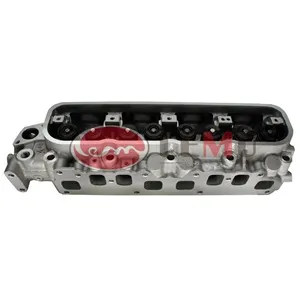
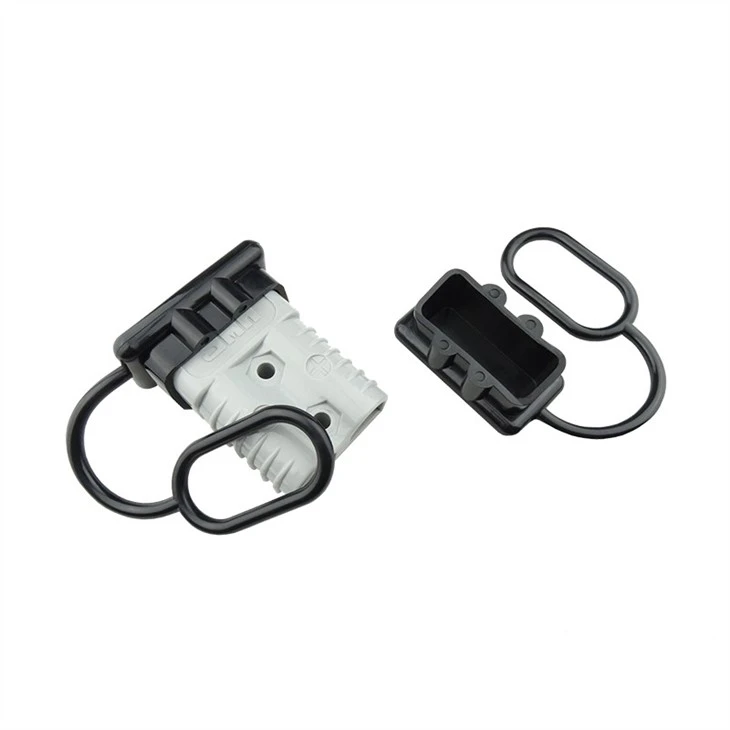
At our company, we offer a wide range of high-quality forklift parts to meet the needs of our customers. For example, we have the Master Cylinder 91346-10300 For Mitsubishi Forklift, which is designed to provide reliable performance and long-lasting durability. Our Toyota 4Y Cylinder Head 11101-76017-71, 11101-73020-71, 111017601771, 111017302071 is also a popular choice among our customers, offering excellent engine performance. And for those looking for smaller parts, we have the Dust Cover Black Soft for SB175 Connector, which can help protect connectors from dust and debris.
Contact Us for Your Forklift Parts Needs
If you're in the market for forklift parts or need more information on determining the wear level of your forklift parts, don't hesitate to contact us. Our team of experts is always ready to assist you with your procurement needs and provide you with the best solutions for your forklift maintenance and repair requirements.
References
- "Forklift Maintenance Handbook", Industrial Press Inc.
- "Material Handling Equipment: Selection, Operation, and Safety", McGraw-Hill Education.