Deutsch
 Português
 한국어
 Türkçe
 عربي
 русский
 Việt Nam
 日本語
 Italiano
 Français
 Español

Hey there! As a supplier of Pallet Truck Parts, I've seen my fair share of headaches caused by hidden defects in these parts. It can be a real pain in the neck when you're in the middle of a big job, and suddenly, your pallet truck acts up due to some defect you didn't even know existed. So, today, I'd like to share some tips on how to detect those hidden defects in pallet truck parts.
Visual Inspection
The first and easiest way to start looking for defects is a good old - fashioned visual inspection. You don't need fancy tools for this one. Just take a good look at all the parts of the pallet truck.
Start with the forks. Check for any signs of bending, cracks, or excessive wear. The forks bear the weight of the loads, so they're under a lot of stress. Even a small crack can quickly turn into a big problem, potentially leading to the load spilling. If you notice any signs of damage, it might be time to replace the forks.
Moving on to the wheels, look for flat spots, uneven wear, or any sharp objects embedded in the tire. Flat spots can cause the pallet truck to move unevenly, which can be a safety hazard. And those sharp objects can puncture the tire, leading to a flat.
Don't forget about the hydraulic components. Check the hoses for any signs of leaking fluid. A small leak might seem harmless at first, but it can indicate a bigger problem with the hydraulic system. Also, look at the cylinders for dents or scratches. These can affect the performance of the hydraulic lift.
For example, take a look at the 1113 - 301005 - 00 Blank Rear Cover For Manual Decline EP EPT12 - EZ. When you visually inspect this part, look for any cracks or breaks in the cover. A damaged cover could expose the internal components to dirt and debris, which can cause premature wear.


Function Testing
Visual inspection only gets you so far. Function testing is where you really start to dig deep.
First, test the lifting mechanism. Operate the pallet truck to lift a load. Pay attention to how smoothly it goes up. If it's jerky, it could mean there's a problem with the hydraulic pump, a blockage in the hydraulic lines, or a worn - out lifting chain.
Also, check the lowering function. The pallet should lower at a steady, controlled pace. If it drops too quickly or too slowly, there might be an issue with the hydraulic valve.
For the steering, turn the pallet truck in different directions. A stiff or loose steering can indicate problems with the steering mechanism, such as worn - out bearings or a damaged steering gear.
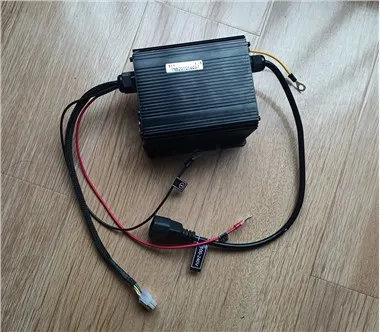
Let's talk about the EP 1121 - 520013 - 00 Power Integrated Module For EP Equipment ES10 - 10ESJ, EPT18 - EHJ, EPT20 - 15EHJ…. When you're doing function testing on a pallet truck with this module, make sure the truck powers up correctly. If there are any issues with starting or if the power seems inconsistent, it could be a sign of a defect in this module.
Sound and Vibration Analysis
Pallet trucks make noise when they're in operation, but abnormal sounds and vibrations can be a red flag.
Listen for any grinding, squeaking, or rattling noises. A grinding noise could indicate metal - to - metal contact, which might be due to worn - out gears or bearings. Squeaking can be a sign of a lack of lubrication. And rattling could mean there are loose parts inside the pallet truck.
Vibrations can also tell you a lot. If the pallet truck vibrates more than usual, it could be because of unbalanced wheels, a misaligned lifting mechanism, or other internal problems.
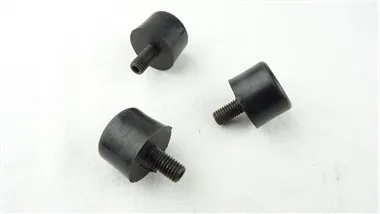
For the EP EPL1531 1113 - 300001 - E0 Bumper Block, if there's a strange noise or vibration when the pallet truck hits something, it could be because the bumper block is loose or damaged.
Using Diagnostic Tools
Sometimes, hidden defects are just too sneaky to detect with the naked eye or basic function tests. That's where diagnostic tools come in handy.
There are hydraulic pressure gauges that can measure the pressure in the hydraulic system. If the pressure is too high or too low, it can indicate a problem with the pump, valves, or hoses.
Thermal imaging cameras can be used to detect overheating components. Overheating can be a sign of excessive friction or a malfunctioning electrical part.
Ultrasonic testing can be used to detect internal cracks in metal parts. It sends high - frequency sound waves through the material, and any cracks will cause a change in the sound pattern.
Regular Maintenance Checks
Regular maintenance is key to detecting hidden defects early. Set up a schedule for maintenance checks. During these checks, go through all the inspection and testing steps we've talked about.
Keep a record of all the inspections and any issues you find. This way, you can track the performance of the pallet truck and its parts over time. If you notice a recurring problem, it's a sign that you need to take a closer look at that particular part.
Contact Us for Quality Parts
Detecting hidden defects in pallet truck parts is crucial for the smooth operation and longevity of your pallet trucks. But sometimes, even with all the best detection methods, you'll still need to replace a part.
As a reliable supplier of Pallet Truck Parts, we offer a wide range of high - quality parts, including those we've mentioned in this blog. Whether you need a simple bumper block or a complex power integrated module, we've got you covered.
If you're in the market for new parts or have any questions about detecting hidden defects, don't hesitate to reach out. We're here to help you keep your pallet trucks in top shape.
References
- "Industrial Pallet Truck Maintenance Guide," Industry Press
- "Diagnostic Techniques for Material Handling Equipment," Equipment Journal