Deutsch
 Português
 한국어
 Türkçe
 عربي
 русский
 Việt Nam
 日本語
 Italiano
 Français
 Español

Forklifts are indispensable workhorses in various industries, from warehouses to construction sites. One of the key components that significantly impacts their functionality is the forklift mast. The mast tilt mechanism allows operators to adjust the angle of the forks, enabling them to handle loads more safely and efficiently. In this blog post, I'll share some insights on how to adjust the forklift mast tilt, drawing on my experience as a Forklift Parts supplier.
Understanding the Forklift Mast Tilt Mechanism
Before diving into the adjustment process, it's essential to understand how the mast tilt mechanism works. The mast tilt is controlled by hydraulic cylinders, which are powered by the forklift's hydraulic system. These cylinders are connected to the mast and the forklift frame, allowing the mast to tilt forward and backward.
The forward tilt is used to pick up loads, while the backward tilt is used to stabilize the load during transport. Proper adjustment of the mast tilt ensures that the forklift can handle loads safely and efficiently, reducing the risk of accidents and damage to the load.
Pre - adjustment Checks
Before attempting to adjust the mast tilt, it's crucial to perform a series of pre - adjustment checks to ensure safety and accuracy.

- Inspect the Hydraulic System: Check the hydraulic fluid level in the reservoir. Low fluid levels can cause the hydraulic system to malfunction, leading to improper mast tilt. Look for any signs of leaks in the hydraulic hoses, fittings, and cylinders. If you notice any leaks, repair them before proceeding with the adjustment.
- Check the Mast and Cylinders: Inspect the mast for any signs of damage, such as bent or cracked sections. Examine the hydraulic cylinders for any signs of wear or damage, including scratches, dents, or leaks. If the cylinders are damaged, they may need to be replaced.
- Verify the Forklift's Position: Park the forklift on a level surface and engage the parking brake. Make sure the forks are lowered to the ground and the mast is in the vertical position.
Adjusting the Forklift Mast Tilt
The adjustment process may vary depending on the make and model of the forklift. However, the general steps are as follows:
- Locate the Tilt Cylinder Adjustment Points: Most forklifts have adjustment points on the tilt cylinders. These points are usually located near the base of the cylinders or on the connection points to the mast and the frame. Refer to the forklift's service manual to find the exact location of the adjustment points.
- Measure the Tilt Angle: Use a tilt gauge to measure the current tilt angle of the mast. The tilt gauge can be attached to the mast to provide an accurate reading of the angle. Measure both the forward and backward tilt angles.
- Make Small Adjustments: Use the appropriate tools, such as wrenches or adjustable spanners, to make small adjustments to the tilt cylinders. Turning the adjustment bolts clockwise or counter - clockwise will change the length of the cylinder, which in turn affects the tilt angle. Make small adjustments at a time and re - measure the tilt angle after each adjustment.
- Test the Tilt: After making an adjustment, test the mast tilt by operating the forklift's tilt controls. Move the mast forward and backward to check if the tilt angle is correct. If the tilt is still not satisfactory, make further adjustments until the desired tilt angle is achieved.
Common Issues and Solutions
During the adjustment process, you may encounter some common issues. Here are some solutions:
- Uneven Tilt: If the mast tilts unevenly, it could be due to a problem with one of the tilt cylinders. Check for leaks or damage in the affected cylinder. You may also need to adjust the cylinder on the opposite side to balance the tilt.
- Excessive Tilt: If the mast tilts too far forward or backward, adjust the limit switches. These switches are designed to control the maximum tilt angle of the mast. Refer to the forklift's service manual to locate and adjust the limit switches.
- Stiff Tilt Operation: Stiff tilt operation can be caused by a lack of lubrication in the cylinders or the pivot points. Apply the appropriate lubricant to the cylinders and pivot points to ensure smooth operation.
Importance of Using Quality Forklift Parts
As a Forklift Parts supplier, I understand the importance of using high - quality parts in the adjustment and maintenance of forklifts. When replacing any parts during the mast tilt adjustment process, such as hydraulic hoses, cylinders, or limit switches, it's crucial to choose parts that meet or exceed the manufacturer's specifications.
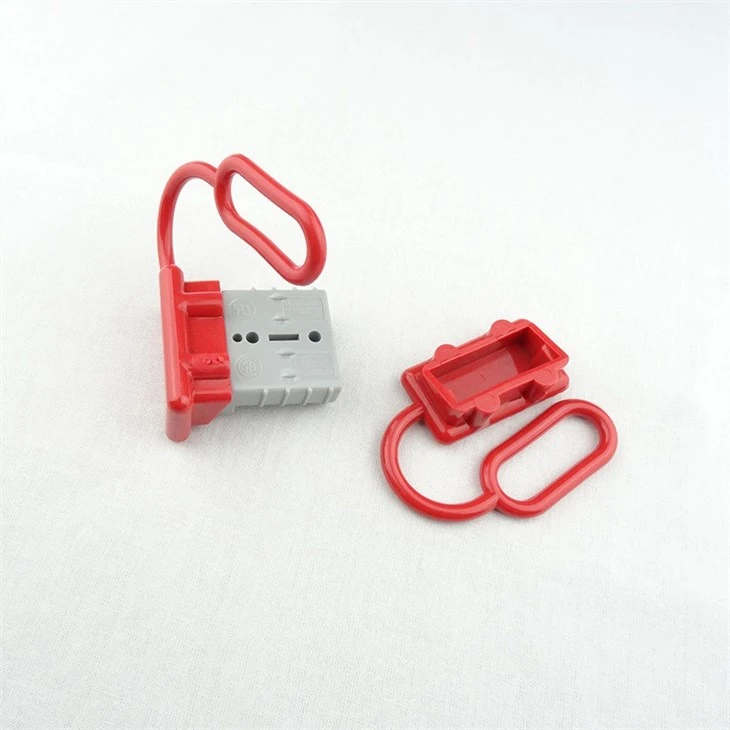
Using sub - standard parts can lead to premature wear and failure, increasing the risk of accidents and costly repairs. For example, if you need a Red Dust Cap for Anderson SB50A Connector, a high - quality dust cap can protect the connector from dirt and debris, ensuring reliable electrical connections in the forklift's control system.
Similarly, a N2101050K28 21010 - 50K26 21010 - 50K29 Water Pump is an essential component for the forklift's cooling system. A quality water pump can ensure proper circulation of coolant, preventing the engine from overheating.
And for the electrical components, a Fuji 1D500A - 030A Power Transistor Module IGBT can provide reliable power control, which is crucial for the smooth operation of the forklift's electrical systems.
Conclusion
Adjusting the forklift mast tilt is a critical maintenance task that can improve the safety and efficiency of forklift operations. By following the steps outlined in this blog post and using high - quality forklift parts, you can ensure that your forklift's mast tilt is properly adjusted.
If you have any questions about forklift mast tilt adjustment or need to purchase high - quality forklift parts, please feel free to contact us. Our team of experts is always ready to assist you in finding the right parts for your forklift and providing technical support.
References
- Forklift Operator's Manuals: Various makes and models
- Forklift Maintenance Guides: Industry - standard publications