Deutsch
 Português
 한국어
 Türkçe
 عربي
 русский
 Việt Nam
 日本語
 Italiano
 Français
 Español

Aerial lifts are essential equipment in various industries, from construction and maintenance to warehousing and utilities. These machines rely on a multitude of parts working in harmony to ensure safe and efficient operation. One of the most critical aspects of aerial lift parts is their load - bearing capacity. As a leading supplier of aerial lift parts, I understand the importance of this factor and am here to shed light on how much weight aerial lift parts can support.
Understanding the Basics of Load - Bearing Capacity
The load - bearing capacity of an aerial lift part refers to the maximum amount of weight that the part can safely support without experiencing failure or excessive deformation. This capacity is determined through rigorous testing and engineering calculations. Different parts of an aerial lift have different load - bearing requirements based on their function and location within the machine.
For example, the boom of an aerial lift is one of the most crucial load - bearing components. It is responsible for extending the platform to the desired height and must support the weight of the platform, the workers on it, and any tools or materials they are carrying. The boom's load - bearing capacity is affected by factors such as its length, material, and design. Longer booms generally have lower load - bearing capacities because they are more prone to bending and deflection under heavy loads.
Factors Affecting Load - Bearing Capacity
Material Quality
The material used in the construction of aerial lift parts plays a significant role in determining their load - bearing capacity. High - strength steel is commonly used for critical components like booms and frames because of its excellent strength - to - weight ratio. Aluminum is also used in some parts, especially where weight reduction is a priority, but it typically has a lower load - bearing capacity compared to steel.
Design and Engineering
The design of an aerial lift part is another crucial factor. Well - engineered parts are designed to distribute the load evenly, reducing stress concentrations and increasing the overall load - bearing capacity. For instance, the shape of a boom can be optimized to minimize bending moments and maximize strength. Computer - aided design (CAD) and finite element analysis (FEA) are commonly used tools in the design process to ensure that parts can withstand the expected loads.
Manufacturing Processes
The manufacturing processes used to produce aerial lift parts can also affect their load - bearing capacity. Precision machining, welding, and heat treatment are essential steps in ensuring the quality and integrity of the parts. Poorly manufactured parts may have defects such as cracks or weak welds, which can significantly reduce their load - bearing capacity and pose a safety risk.


Load - Bearing Capacity of Specific Aerial Lift Parts
Control Boxes
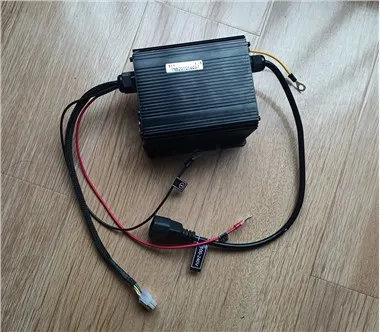
Control boxes are an integral part of an aerial lift, allowing operators to control the movement and functions of the machine. While they do not directly support heavy loads in the same way as booms or platforms, they still need to be robust enough to withstand the vibrations and impacts associated with normal operation.
The Genie 105295 105295GT Gen 5 Control Box Kit is designed to be durable and reliable. It is built with high - quality materials that can withstand the rigors of the job site. Although it doesn't have a traditional "load - bearing" capacity in the sense of supporting a physical weight, it must be able to function properly under various environmental conditions and mechanical stresses.
Control Boards
Control boards are the brains of an aerial lift, controlling the electrical systems and ensuring smooth operation. Similar to control boxes, they are not designed to support heavy physical loads but need to be able to function in a stable environment. The Genie 137522GT 137522 Control Board 6 Key is engineered to be resistant to electrical interference and temperature variations. It is housed in a protective enclosure that helps to shield it from dust, moisture, and mechanical shocks.
Switches
Switches are used to control various functions of an aerial lift, such as raising and lowering the platform or extending the boom. They need to be able to handle the electrical current required for these operations and also withstand the mechanical forces associated with repeated use. The Genie 128582 128582GT Switch is designed to be reliable and long - lasting, with a high - quality contact mechanism that can handle the electrical load without overheating or failing.
Importance of Adhering to Load - Bearing Limits
Exceeding the load - bearing capacity of an aerial lift part can have serious consequences. It can lead to part failure, which may result in the collapse of the platform or the malfunction of the machine. This not only poses a significant safety risk to the workers on the platform but also can cause damage to the equipment and the surrounding area.
Manufacturers provide load - bearing limits for each aerial lift and its individual parts in the operator's manual. It is the responsibility of the operators and supervisors to ensure that these limits are not exceeded. Regular inspections and maintenance of the aerial lift are also essential to identify any signs of wear or damage that could affect the load - bearing capacity.
How We Ensure the Quality of Our Aerial Lift Parts
As a supplier of aerial lift parts, we are committed to providing high - quality products that meet or exceed industry standards. We source our parts from reputable manufacturers who use the latest materials and manufacturing processes. Before we offer a part for sale, we conduct thorough quality control checks to ensure that it meets our strict criteria.
We also provide detailed product information, including load - bearing capacities and specifications, to our customers. This allows them to make informed decisions when selecting the right parts for their aerial lifts. Our technical support team is available to answer any questions our customers may have about load - bearing capacity or any other aspect of our products.
Conclusion
The load - bearing capacity of aerial lift parts is a critical factor that determines the safety and performance of these machines. Understanding the factors that affect load - bearing capacity, such as material quality, design, and manufacturing processes, is essential for ensuring the proper operation of aerial lifts.
As a trusted supplier of aerial lift parts, we offer a wide range of high - quality products, including the Genie 105295 105295GT Gen 5 Control Box Kit, Genie 137522GT 137522 Control Board 6 Key, and Genie 128582 128582GT Switch. If you are in need of aerial lift parts or have any questions about load - bearing capacity, we encourage you to contact us. Our team of experts is ready to assist you in finding the right parts for your needs and ensuring the safe and efficient operation of your aerial lifts.
References
- Aerial Lift Manufacturers Association (ALMA). Guidelines for Aerial Lift Design and Safety.
- American Society of Mechanical Engineers (ASME). Standards for Aerial Work Platforms.
- Occupational Safety and Health Administration (OSHA). Regulations for Aerial Lift Operation.