Deutsch
 Português
 한국어
 Türkçe
 عربي
 русский
 Việt Nam
 日本語
 Italiano
 Français
 Español

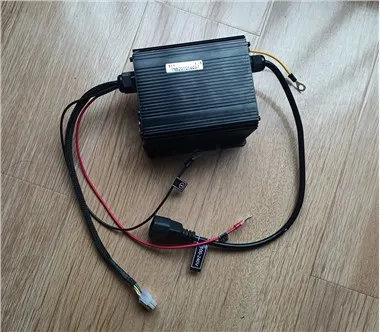
As a supplier of EP Equipment Chargers, I often get asked whether our chargers can be used overseas. This is a valid concern, especially for businesses that operate on an international scale or those looking to expand their operations abroad. In this blog post, I'll delve into the factors that determine the overseas usability of our EP Equipment Chargers and provide some practical insights.
Understanding the Key Factors
1. Voltage Compatibility
One of the primary considerations when using any electrical device overseas is voltage compatibility. Different countries have different standard voltages for their electrical systems. For example, in the United States, the standard voltage is 120V, while in many European countries, it's 230V. Our EP Equipment Chargers are designed with a certain voltage range in mind.
Most of our chargers are equipped with wide - voltage input capabilities, typically ranging from 100V to 240V. This wide range allows them to be used in a large number of countries around the world without the need for a voltage converter. However, it's crucial to check the specific voltage requirements of the charger model you're interested in. You can find this information in the product manual or by contacting our customer support team.
2. Plug Types
Another important factor is the plug type. Different countries use different plug designs, which are shaped and sized according to their national electrical standards. For instance, the United Kingdom uses a three - pronged rectangular plug, while the United States has a two - or three - pronged flat plug.
To address this issue, we offer a variety of plug adapters with our chargers. These adapters are designed to fit the charger's output plug and the local electrical sockets in different countries. When you purchase an EP Equipment Charger from us, we can provide you with the appropriate plug adapter based on the destination country. However, it's still a good idea to double - check the local plug standards before traveling or shipping the charger overseas.
3. Frequency Differences
In addition to voltage and plug types, the frequency of the electrical supply also varies from country to country. The standard frequency in most of the Americas and parts of Asia is 60Hz, while in Europe, Africa, and most of Asia, it's 50Hz.


Our chargers are designed to be frequency - tolerant. They can operate efficiently within both 50Hz and 60Hz electrical systems. This means that you don't have to worry about frequency differences when using our chargers overseas.
Benefits of Using EP Equipment Chargers Overseas
1. Compatibility with EP Equipment
Our chargers are specifically designed for EP equipment, such as Electric Stacker Forklift. This ensures optimal charging performance and battery life for your equipment. Whether you're using an electric stacker forklift in a warehouse in China or a distribution center in Brazil, our chargers will provide the right amount of power to keep your equipment running smoothly.
2. Reliability
EP Equipment Chargers are known for their reliability. They are built with high - quality components and undergo rigorous testing to ensure long - term performance. When you use our chargers overseas, you can trust that they will work consistently, even in challenging environments. This reliability is crucial for businesses that rely on their equipment to operate efficiently.
3. Cost - Effectiveness
Using our chargers overseas can be cost - effective. Since many of our chargers have wide - voltage input capabilities and are frequency - tolerant, you don't have to invest in expensive voltage converters or other electrical accessories. This can save you a significant amount of money, especially if you're using multiple chargers in different locations.
Case Studies
Let's take a look at a couple of real - world examples to illustrate the overseas usability of our EP Equipment Chargers.
Case Study 1: A European Company Expanding to the United States
A European company that uses EP Original Control Pod Decal For EP EPL1531 Electric Pallet Truck decided to expand its operations to the United States. They were concerned about whether their existing EP Equipment Chargers would work in the US electrical system.
After consulting with our customer support team, they learned that their chargers had a wide - voltage input range of 100V - 240V and were frequency - tolerant. They only needed to purchase a plug adapter for the US electrical sockets. With the help of the plug adapter, they were able to use their chargers without any issues in their new US facilities. This saved them the cost of purchasing new chargers and minimized the downtime during the expansion process.
Case Study 2: An Asian Manufacturer Shipping Equipment to Africa
An Asian manufacturer that produces LM - MS Double Mast Hand Pallet Stacker With 2500mm Or 3000mm Max Lifting Height shipped their equipment to several African countries. They included our EP Equipment Chargers with their products.
Before shipping, they contacted us to ensure that the chargers would be compatible with the local electrical systems in Africa. We provided them with the necessary plug adapters and confirmed that the chargers had the appropriate voltage and frequency capabilities. Once the equipment arrived in Africa, the chargers worked perfectly, allowing the African customers to start using the pallet stackers right away.
How to Ensure a Smooth Overseas Experience
1. Research the Destination Country
Before shipping or taking an EP Equipment Charger overseas, it's essential to research the electrical standards of the destination country. You can find this information on government websites, travel advisories, or by contacting the local embassy or consulate.
2. Contact Our Customer Support
If you have any questions or concerns about using our chargers overseas, don't hesitate to contact our customer support team. We have a wealth of knowledge and experience in dealing with international customers and can provide you with the most accurate information and guidance.
3. Test the Charger
Before shipping the charger overseas, it's a good idea to test it with the appropriate plug adapter and a local electrical socket (if possible). This will help you identify any potential issues early on and ensure that the charger is working properly.
Conclusion
In conclusion, our EP Equipment Chargers can be used overseas in most cases. With their wide - voltage input capabilities, frequency tolerance, and the availability of plug adapters, they are suitable for use in a large number of countries around the world. Whether you're a business expanding internationally or an individual traveling with EP equipment, our chargers provide a reliable and cost - effective charging solution.
If you're interested in purchasing an EP Equipment Charger or have any questions about using our chargers overseas, please feel free to reach out to us. Our team is ready to assist you with your procurement needs and provide you with the best possible solutions. We look forward to working with you and helping you take your operations to the next level.
References
- International Electrotechnical Commission (IEC) standards for electrical equipment.
- National electrical codes of various countries.
- Product manuals of EP Equipment Chargers.