Deutsch
 Português
 한국어
 Türkçe
 عربي
 русский
 Việt Nam
 日本語
 Italiano
 Français
 Español

As a seasoned supplier of forklift parts, I've often been asked whether forklift parts are subject to import/export regulations. The answer is a resounding yes, and in this blog post, I'll delve into the intricacies of these regulations, their implications for my business, and how we navigate them to ensure seamless operations.
Understanding Import/Export Regulations
Import/export regulations are a set of rules and policies established by governments to control the flow of goods across international borders. These regulations serve multiple purposes, including protecting national security, safeguarding public health and safety, and promoting fair trade. When it comes to forklift parts, these regulations can vary significantly from one country to another, making it essential for suppliers like me to stay informed and compliant.
One of the primary factors that determine the regulatory requirements for forklift parts is the nature of the parts themselves. Some parts, such as batteries and hydraulic fluids, may be subject to additional regulations due to their potential environmental and safety hazards. For example, batteries containing hazardous materials like lead or lithium may require special handling and documentation to ensure proper disposal and prevent environmental contamination.

Another crucial aspect of import/export regulations is the classification of forklift parts. Each part is assigned a specific Harmonized System (HS) code, which is an international standard for classifying traded products. These codes are used by customs authorities to determine the applicable tariffs, duties, and regulatory requirements for each item. As a supplier, I must ensure that I accurately classify all the forklift parts I export or import to avoid any delays or penalties at the border.
Implications for My Business
As a supplier of forklift parts, import/export regulations have a significant impact on my business operations. Compliance with these regulations is not only a legal requirement but also essential for maintaining the trust and confidence of my customers. Failure to comply with the regulations can result in costly fines, delays in delivery, and damage to my reputation.
One of the most significant challenges I face is keeping up with the constantly changing regulatory landscape. Governments around the world are constantly updating their import/export regulations to address new challenges and emerging threats. This means that I must invest significant time and resources in staying informed about these changes and ensuring that my business processes are up to date.
Another challenge is the complexity of the regulatory requirements themselves. Each country has its own set of rules and procedures, and navigating these can be a daunting task, especially for small and medium-sized businesses like mine. To overcome this challenge, I work closely with customs brokers and freight forwarders who have the expertise and experience to help me comply with the regulations and ensure smooth customs clearance.
Navigating Import/Export Regulations
Despite the challenges, I've developed several strategies to navigate import/export regulations effectively. One of the key strategies is to establish strong relationships with my suppliers and customers. By working closely with them, I can ensure that all the necessary documentation is in order and that any potential issues are addressed before they become problems.
Another strategy is to invest in technology and automation. By using advanced software and systems, I can streamline my business processes and ensure that all the necessary information is captured and transmitted accurately and efficiently. This not only helps me comply with the regulations but also improves the overall efficiency and productivity of my business.
In addition to these strategies, I also stay informed about the latest developments in the regulatory landscape by attending industry conferences and seminars, subscribing to trade publications, and participating in industry associations. By staying up to date with the latest trends and best practices, I can ensure that my business is well-positioned to adapt to any changes in the regulations.
Examples of Forklift Parts and Their Regulatory Considerations
To illustrate the importance of import/export regulations for forklift parts, let's take a look at some specific examples.
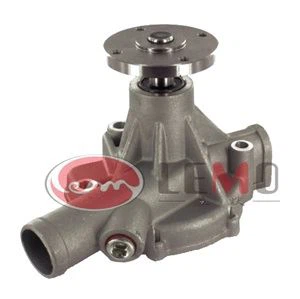
- Water Pump Gwn-30A 21010-L1100 21010-L1125 21010-L1123 21010-L1126 21010-21100 21010-B8525: This water pump is a critical component of many forklift engines. When exporting or importing this part, I must ensure that it meets all the relevant safety and environmental standards. This may include obtaining certifications from recognized testing laboratories and providing detailed documentation about the part's specifications and performance.
- Toyota 16120-78151-71 Forklift Water Pump: As a specific model of forklift water pump, this part may be subject to additional regulations depending on the country of import or export. For example, some countries may require that the part be compatible with local emission standards or that it be accompanied by a warranty or service agreement.
- Black Dust Cap for Anderson SB50A Connector: While this may seem like a simple and insignificant part, it is still subject to import/export regulations. I must ensure that the part is properly classified and that all the necessary documentation is provided to customs authorities. Additionally, I must ensure that the part meets any relevant safety and quality standards.
Conclusion
In conclusion, forklift parts are indeed subject to import/export regulations, and these regulations have a significant impact on my business as a supplier. By understanding the regulatory requirements, staying informed about the latest developments, and implementing effective strategies to navigate these regulations, I can ensure that my business operates smoothly and efficiently while maintaining compliance with the law.
If you're in the market for high-quality forklift parts and are looking for a reliable supplier who understands the complexities of import/export regulations, I'd love to hear from you. Please feel free to contact me to discuss your specific requirements and how I can help you meet them.
References
- World Customs Organization. (n.d.). Harmonized System. Retrieved from https://www.wcoomd.org/en/topics/nomenclature/overview/harmonized-system.aspx
- International Trade Administration. (n.d.). Importing and Exporting Basics. Retrieved from https://www.trade.gov/importing-and-exporting-basics
- U.S. Customs and Border Protection. (n.d.). Trade Regulations. Retrieved from https://www.cbp.gov/trade