
 Deutsch
 Português
 한국어
 Türkçe
 عربي
 русский
 Việt Nam
 日本語
 Italiano
 Français
 Español

What Is a Counterbalance Forklift?
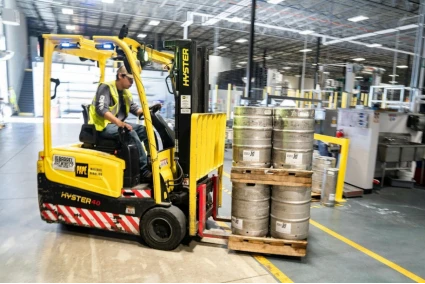
A counterbalance forklift is the most widely used type of material handling equipment in warehouses, factories, and logistics centers. It is designed with a rear counterweight that offsets the load carried on the front forks, ensuring stability when lifting and transporting heavy goods.
This simple yet powerful design makes counterbalance forklifts a core solution for businesses seeking efficient warehouse handling, pallet transport, and industrial lifting operations.
With the rapid growth of global logistics and smart warehousing, counterbalance forklifts have become essential for improving productivity, safety, and operational efficiency.
Understanding Counterbalance Forklifts
A counterbalance forklift features two forks at the front and a heavy counterweight at the rear. This structure allows the machine to lift loads without requiring additional support legs, making it highly flexible and easy to operate.
Key characteristics include:
●Front-mounted forks for pallet handling
●Rear counterweight for load balance
●Hydraulic lifting system for vertical movement
●Compact design for maneuverability
Unlike reach trucks or stackers, counterbalance forklifts can drive directly up to the load, improving efficiency in daily warehouse operations.
At LemoLift, our counterbalance forklifts are engineered to deliver high performance, durability, and intelligent control systems, supporting modern logistics and industrial environments.
Types of Counterbalance Forklifts
Electric Counterbalance Forklift
Electric forklifts are powered by batteries and are ideal for indoor warehouse environments.
Key advantages:
●Zero emissions
●Low noise operation
●Lower maintenance costs
●Suitable for narrow aisles and smooth floors
These models are widely used in e-commerce warehouses, food storage, and pharmaceutical logistics.
Diesel Counterbalance Forklift
Diesel forklifts are designed for heavy-duty outdoor applications.
Key advantages:
●High torque and lifting power
●Strong performance on rough terrain
●Ideal for construction and port operations
LPG / Gas Counterbalance Forklift
Gas-powered forklifts offer a balance between electric and diesel models.
Key advantages:
●Faster refueling
●Suitable for multi-shift operations
●Flexible for indoor and outdoor use
How a Counterbalance Forklift Works
A counterbalance forklift operates using a combination of physics, hydraulics, and power systems:
●The rear counterweight offsets the forward load
●Hydraulic cylinders lift and lower the forks
●The mast supports vertical movement
●The operator controls steering, lifting, and tilting
This design ensures stable lifting and precise load handling, even with heavy materials.
Common Applications of Counterbalance Forklifts
Counterbalance forklifts are widely used across multiple industries due to their versatility:
●Warehouse logistics – pallet movement and storage
●Manufacturing plants – material transport and production support
●Loading docks – truck loading and unloading
●Construction sites – moving heavy building materials
●Retail distribution centers – bulk goods handling
Their ability to operate in both indoor and outdoor environments makes them a universal solution for material handling operations.
Key Advantages of Counterbalance Forklifts
●Versatility Across Industries
These forklifts can handle a wide range of loads and applications, from pallets to heavy industrial goods.
●Easy Operation
User-friendly controls and ergonomic design make them suitable for both experienced and new operators.
●High Load Capacity
Counterbalance forklifts are built to handle heavy loads with stability and precision.
●Indoor & Outdoor Flexibility
Available in electric, diesel, and LPG versions to suit different working environments.
●Strong Maneuverability
Compact design allows efficient operation in tight warehouse spaces.
●Durable and Reliable
Designed for continuous industrial use with minimal downtime.
Counterbalance Forklift vs Other Forklifts
●Counterbalance Forklift vs Reach Truck
●Counterbalance forklifts are better for open areas and general use
●Reach trucks are ideal for narrow aisles and high racking systems
●Counterbalance Forklift vs Pallet Jack
●Counterbalance forklifts handle heavier loads and higher lifting
●Pallet jacks are suitable for short-distance, low-lift tasks
Understanding these differences helps businesses choose the most suitable warehouse equipment solution.
How to Choose the Right Counterbalance Forklift
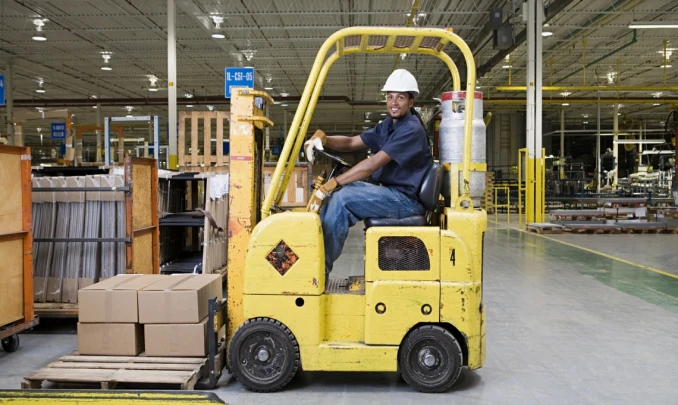
When selecting a counterbalance forklift, consider the following:
●Load Capacity
Choose a forklift that matches your maximum load requirements.
●Lift Height
Ensure the mast height meets your warehouse racking system.
●Power Type
Electric → indoor, clean environments
Diesel → outdoor, heavy-duty tasks
LPG → mixed-use flexibility
●Tire Type
Cushion tires → smooth warehouse floors
Pneumatic tires → rough outdoor terrain
Working Environment
Evaluate aisle width, floor condition, and operational intensity.
At LemoLift, we provide customized forklift solutions, helping clients select the most suitable equipment for their specific logistics needs.
Why Choose LemoLift Counterbalance Forklifts?
✔ Advanced electric forklift technology
✔ Strong load capacity and stable performance
✔ Energy-efficient and environmentally friendly designs
✔ Customizable solutions for different industries
✔ Reliable global service and technical support
LemoLift is committed to delivering high-performance material handling equipment that enhances efficiency and reduces operational costs.
FAQ
1. What is the difference between electric and diesel counterbalance forklifts?
Electric forklifts are ideal for indoor use with low noise and zero emissions, while diesel forklifts provide more power for outdoor heavy-duty applications.
2. What load capacity should I choose?
It depends on your typical load weight. Most warehouses use forklifts ranging from 1.5 to 5 tons.
3. Can counterbalance forklifts work in narrow aisles?
Yes, but for very narrow aisles, a reach truck may be more suitable.
4. How long does a forklift battery last?
Electric forklift batteries typically last 6–8 hours per charge, depending on usage.
5. What maintenance is required?
Regular inspection of tires, forks, hydraulics, and battery/engine systems is essential for safe operation.
6. How do I choose the right forklift supplier?
Look for manufacturers with strong engineering capabilities, customization options, and reliable after-sales service-like LemoLift.


